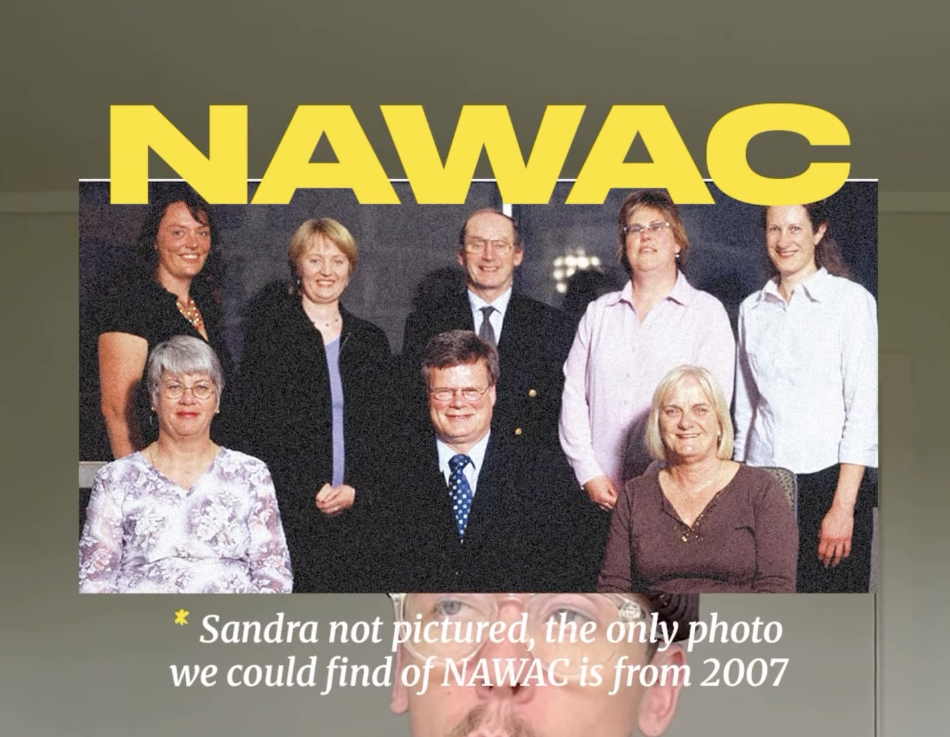
At NAWAC’s July committee meeting, Ms Faulkner stated she planned to remain on the committee despite recently being elected to one of the most senior leadership positions within New Zealand’s largest farming lobby group. SAFE subsequently wrote to NAWAC Chair Dr Matthew Stone seeking clarification and received confirmation that Ms Faulkner would be staying on as a committee member, despite the clear conflict between her responsibility to provide independent animal welfare advice and her leadership role advocating for farming interests.
Lack of independent oversight
SAFE’s Campaign Manager Emily Hall says the issue goes far beyond standard conflict of interest declarations.
“The question isn’t whether Sandra Faulkner has declared her interests correctly. The question is whether New Zealanders can have confidence in the independence of an animal welfare advisory committee when one of its members also holds an influential position within a powerful farming lobby group.”
NAWAC was established under the Animal Welfare Act to provide independent advice to the minister responsible for animal welfare. Federated Farmers, meanwhile, exists to advocate for the interests of farmers and actively campaigns for policy and regulatory outcomes that directly affect the commercial use of animals.
A recent statement by then Federated Farmers president Wayne Langford celebrating the fact the lobby group had achieved all 12 of the key priorities it has put forward to the Government over the past three years, underscoring the influence Federated Farmers holds within the current Coalition Government.[i]
“NAWAC cannot credibly claim to be an independent source of advice on animal welfare while allowing senior leadership within a major animal agricultural lobby group to remain on the committee” says Hall.
The conflict is particularly concerning because many of the animal welfare issues addressed by NAWAC directly affect sectors represented by Federated Farmers, including: intensive farming systems; mud farming or ‘winter grazing’; livestock transport; husbandry practices; animal welfare regulations and codes of welfare; and compliance and enforcement frameworks relating to farmed animals.
Following NAWAC’s refusal to require Ms Faulkner to step down, SAFE has written to Associate Minister for Agriculture Andrew Hoggard and the Ministry for Primary Industries, calling for urgent action. The organisation is seeking Ms Faulkner’s removal from the committee and the appointment of a replacement member with expertise in an area such as animal welfare science, animal behaviour, animal ethics, law, or public policy.
New Zealand’s Animal Welfare system is broken
This is about more than one committee member. This situation exposes exactly what’s wrong with New Zealand’s animal welfare system – a fundamentally broken system that allows industry interests to exert significant influence over animal welfare decision making.