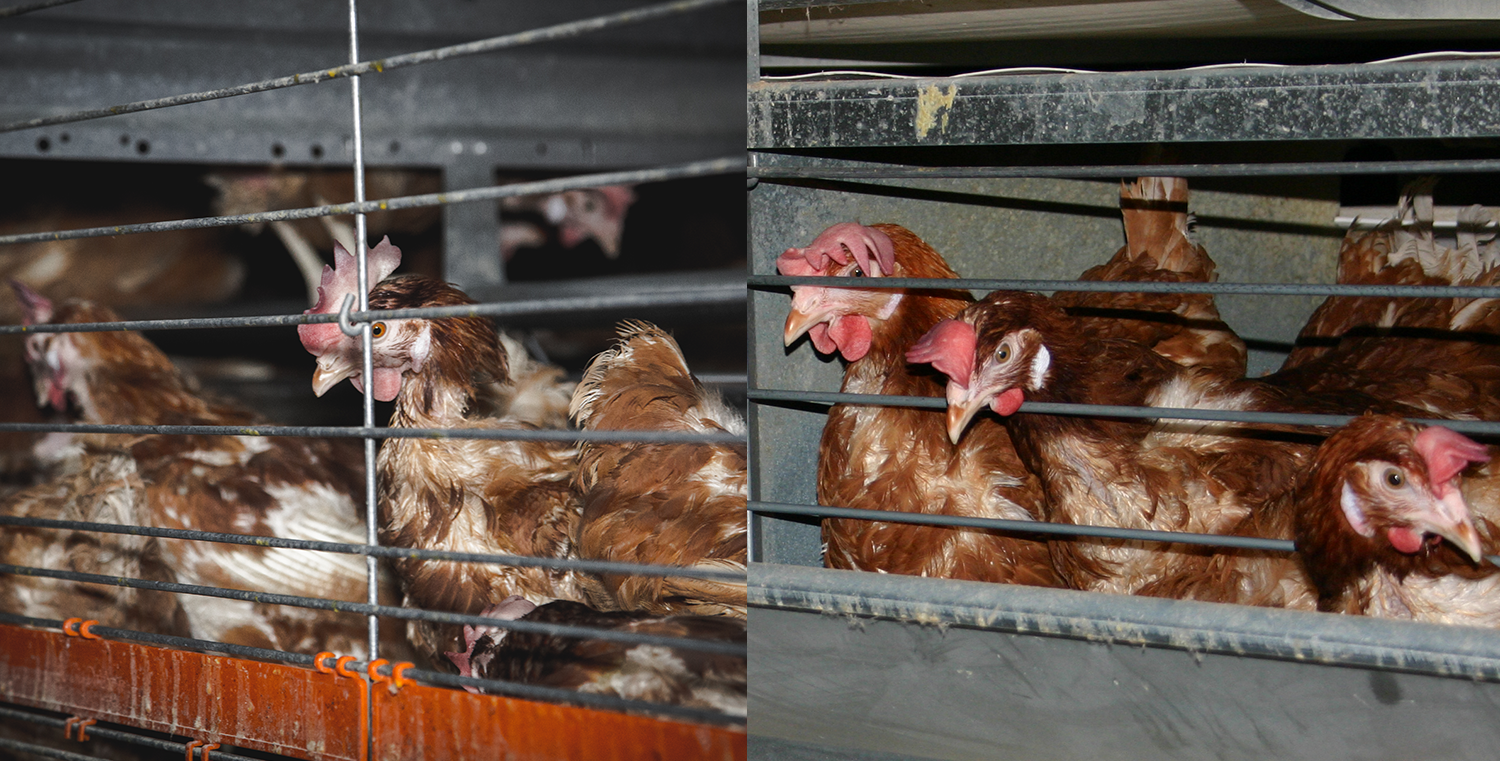
Holding the egg industry accountable for dishonest cage egg labels
Sadly, Kiwis may not be aware that one third of hens farmed for egg production in Aotearoa are farmed in these cruel cage systems.

Add your name below to demand a complete ban on mud farming.
we can’t do this without you.
By raising our voices together, we can demonstrate public demand for immediate action to protect animals suffering on mud farms. Support from people like you is what drives change for animals.
Scroll for more
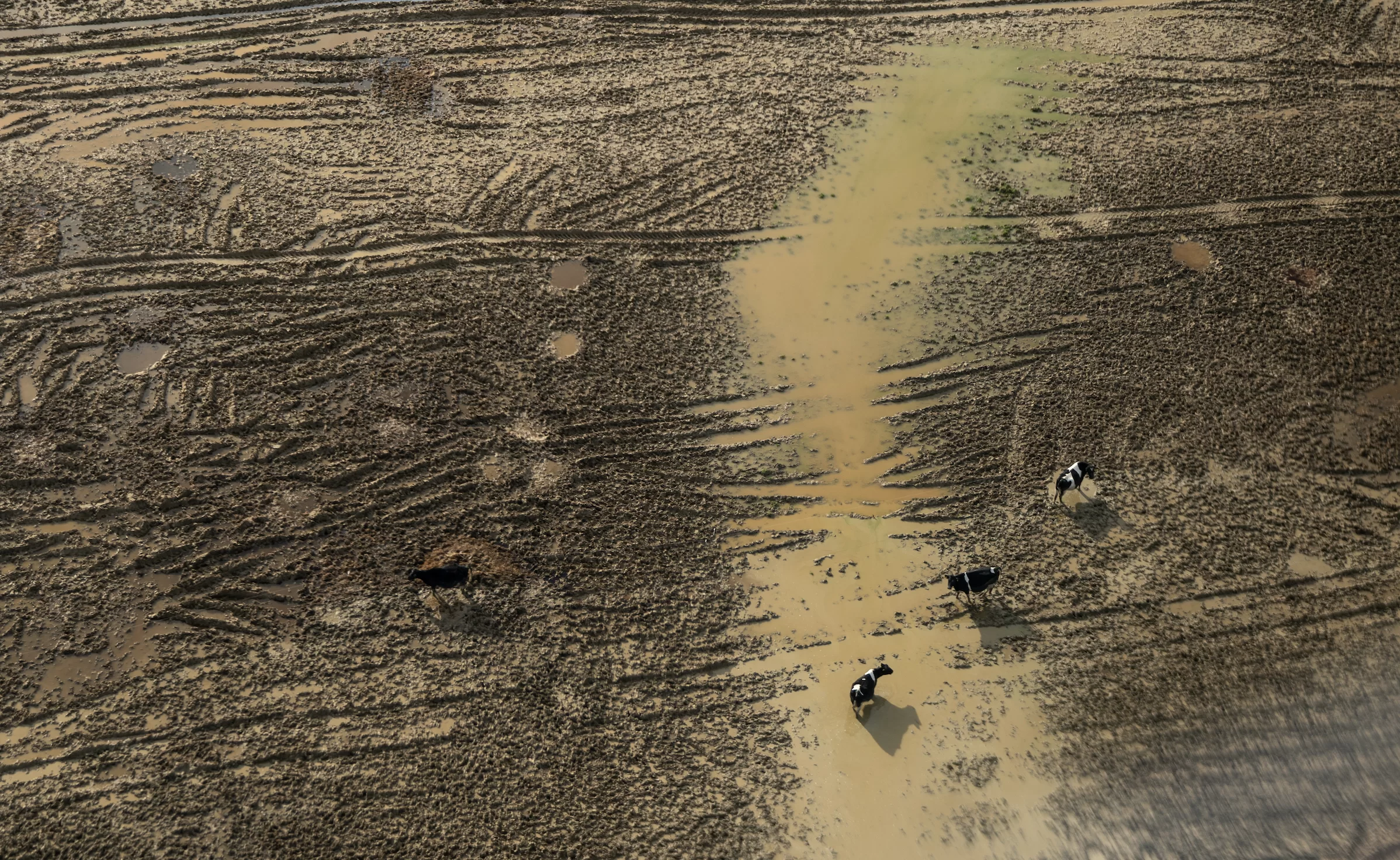
Mud farming involves keeping cows and sheep outdoors through winter on paddocks planted with crops like kale or swedes, which are used as a low-cost feed source.
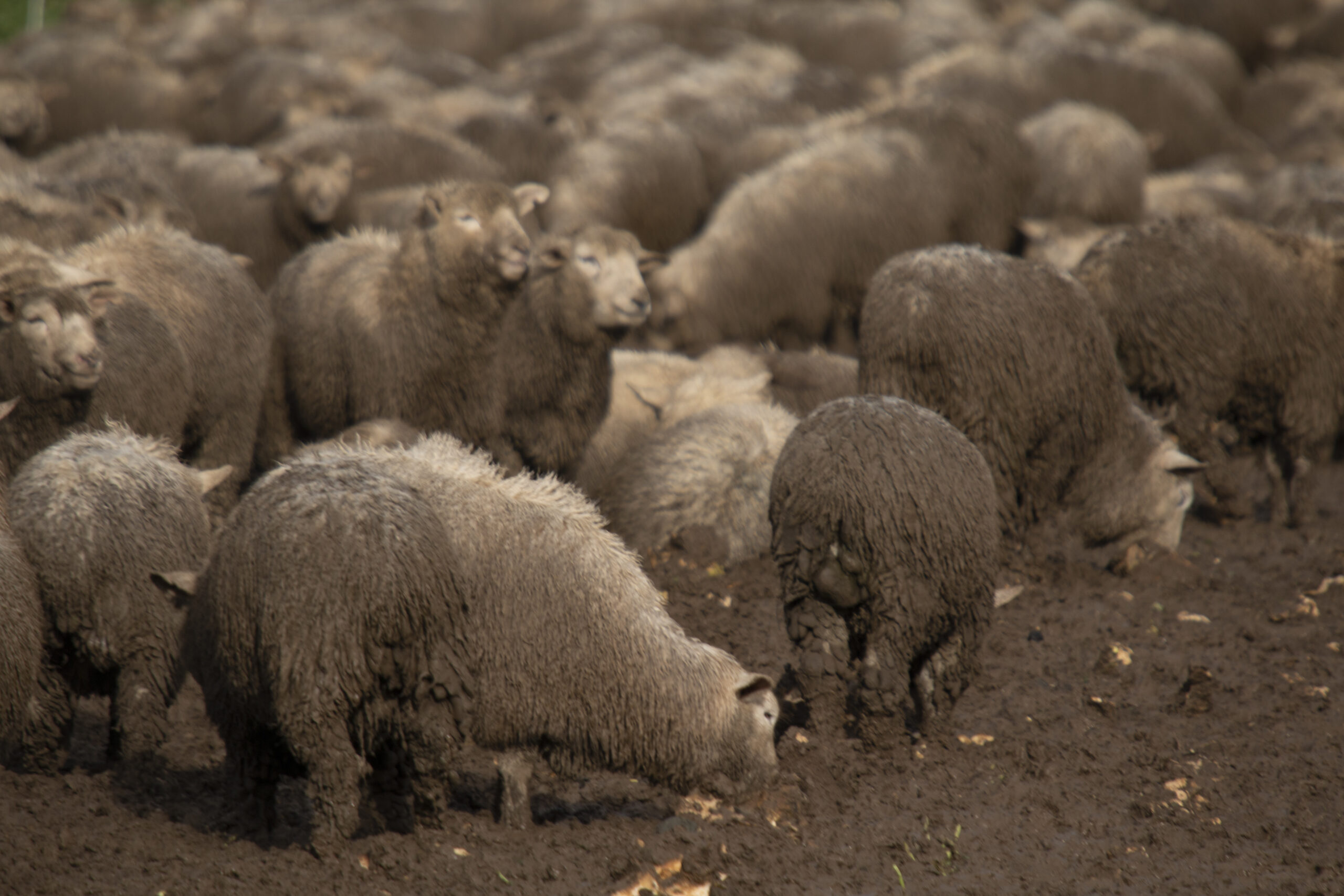
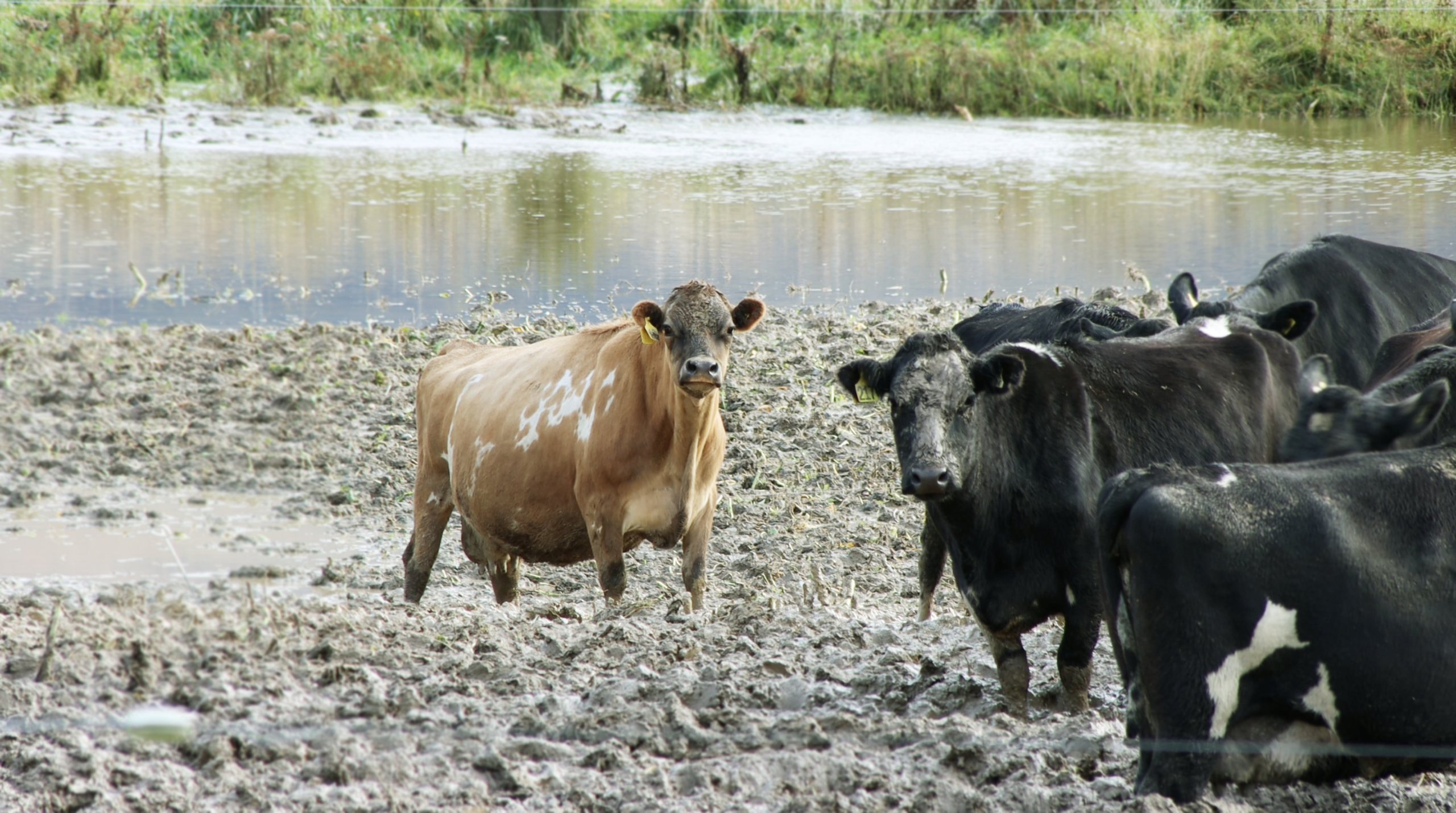
Once the crops are eaten, the ground is left bare. Routine rainfall and repeated trampling churn the paddocks into a slurry of mud, faeces, and urine. With no grass, no shelter, and no dry ground, animals are forced to live in these cold, wet, and unhygienic conditions for months at a time.
This can lead to serious welfare issues, including lameness, hoof and skin infections, hypothermia, and, in some cases, death.
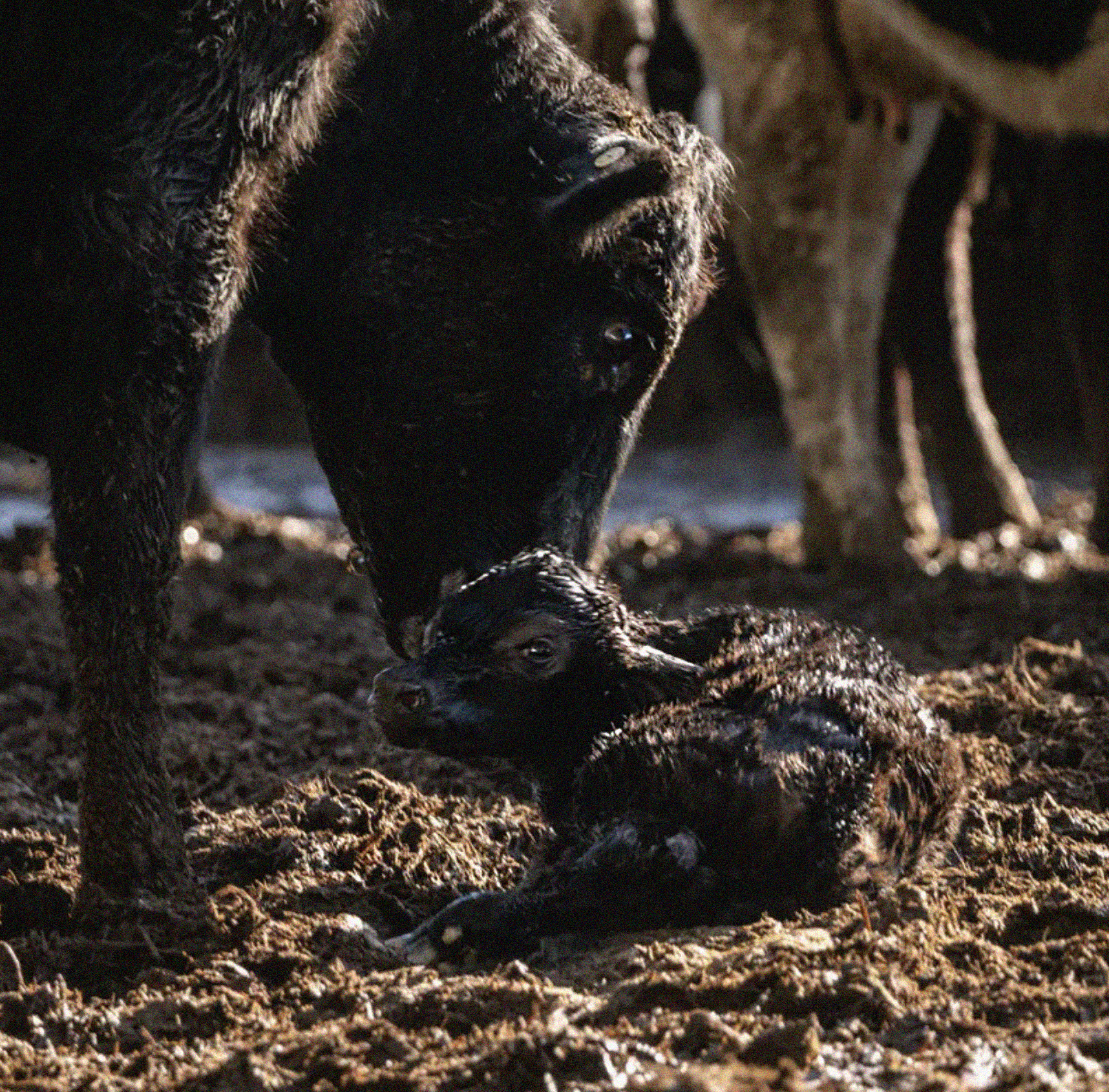
Disturbingly, many of these animals are currently pregnant, which means their vulnerable babies will soon be born into these same miserable conditions.
In severely muddy conditions, animals can’t move freely to access food and water. For ruminants like cows, lying down and ruminating is essential for proper digestion, but deep mud prevents them from resting comfortably, leading to stress and impaired digestion. Additionally, muddy conditions prevent animals from grazing, which is vital for their nutritional needs and overall welfare. Prolonged exposure to wet, muddy environments can also cause lameness, foot infections such as foot rot, and skin conditions like dermatophilosis (“mud fever”).
Food and water are typically placed around the edges of the paddock, where animals crowd together, churning the ground into deep mud. Dropped food becomes contaminated with mud, forcing animals to ingest harmful bacteria and pathogens that can cause gastrointestinal illnesses. Animals unable to navigate the thick mud may be left to drink from filthy puddles contaminated with faeces and urine, increasing the risk of disease. The constant exposure to mud and wet conditions can also compromise the animals’ immune systems, making them more susceptible to illness.
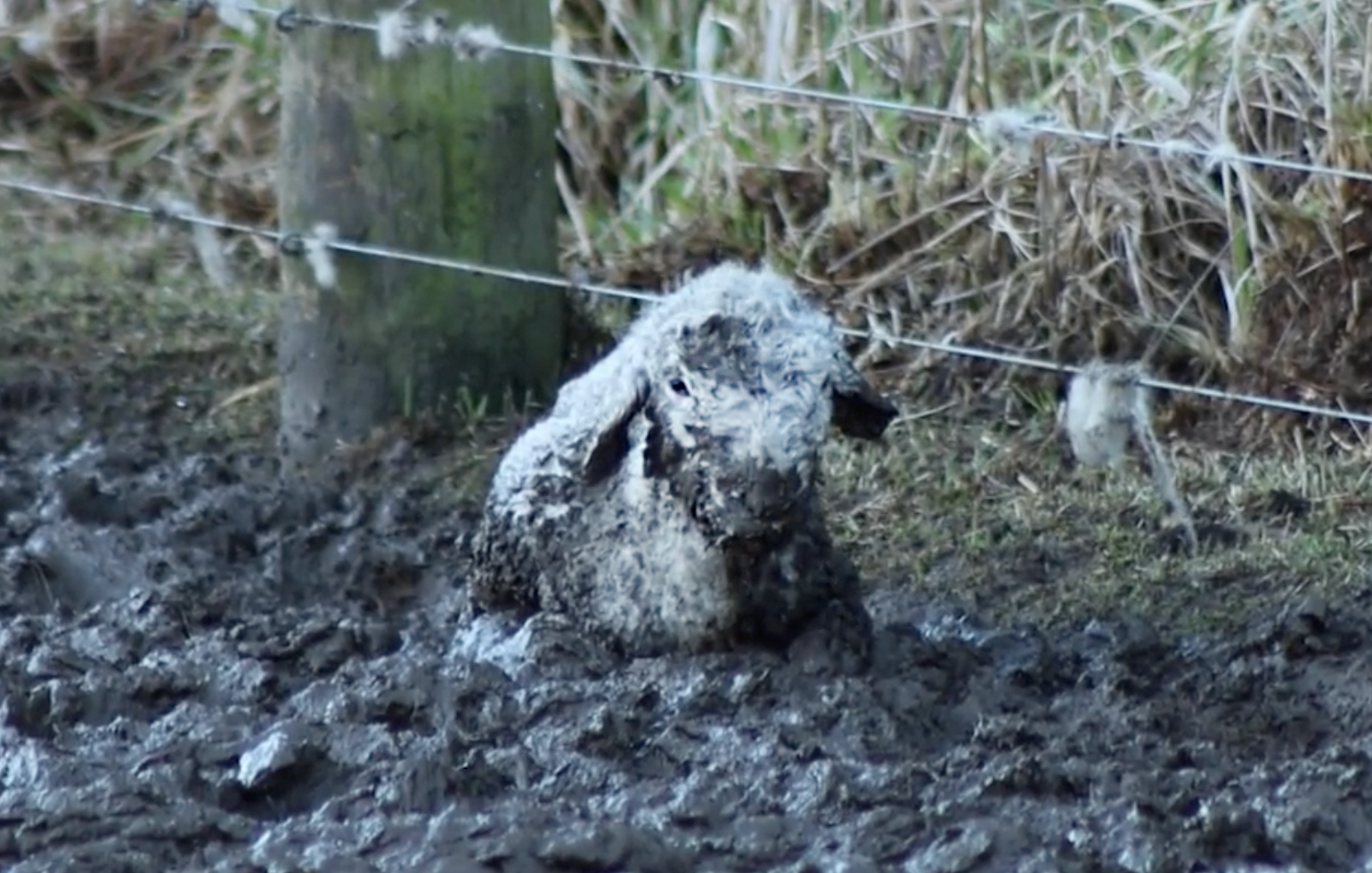
Yes, animals on mud farms frequently suffer injuries and illnesses. The uneven, slippery ground makes it difficult for them to balance or move, which can lead to fractures, broken legs, and other injuries. Constant exposure to wet conditions causes foot rot, a painful disease that weakens the legs and feet, further restricting movement. Newborns are particularly vulnerable, as slippery surfaces increase their risk of falls and injuries.
The unsanitary conditions also lead to serious health issues. Mud-coated animals are more likely to ingest harmful bacteria and pathogens when grooming themselves, resulting in infections. For example, sheep can develop mud fever, which causes painful skin inflammation, crusting, and bleeding. This condition, especially when affecting the feet or legs, limits their ability to move, leading to starvation and weight loss. Cows in muddy conditions are also at higher risk of infections due to dirt and pathogens covering their legs, udders, and sides.

Sadly, Kiwis may not be aware that one third of hens farmed for egg production in Aotearoa are farmed in these cruel cage systems.

The use of colony cages and battery cages breaches New Zealand’s Animal Welfare Act, as they prevent hens from expressing normal behaviours… but only
We, the undersigned, call for an end to mud farming, also known as intensive winter grazing, in New Zealand.
We are calling on the House of Representatives to introduce legislation that prohibits mud farming in its entirety. This practice forces animals to endure prolonged confinement in dangerous, cruel, and unhygienic conditions, where they are exposed to mud, rain, and cold temperatures without adequate shelter or dry lying areas. Such treatment is a clear violation of the Animal Welfare Act 1999, which requires that animals be provided with the opportunity to display normal behaviours and have their basic needs met.
Further, the continuous trampling of saturated soil by confined animals releases harmful contaminants such as nitrates, phosphates, nitrous oxide, and ammonia into nearby waterways and the atmosphere. These pollutants contribute to the degradation of ecosystems, creating dead zones in once-thriving marine habitats, reducing water quality for drinking and recreation, and releasing greenhouse gases that exacerbate climate change.
Mud farming is an unacceptable practice that must end. We call on the government to act decisively to uphold our moral and legal obligations to both animals and the environment.