With H5N1 avian influenza now confirmed in multiple wild birds in New Zealand, the risk to our wildlife is no longer theoretical.
The arrival of H5N1 has the potential to devastate our wild bird populations and, if it reaches commercial farms, place millions of chickens at risk.
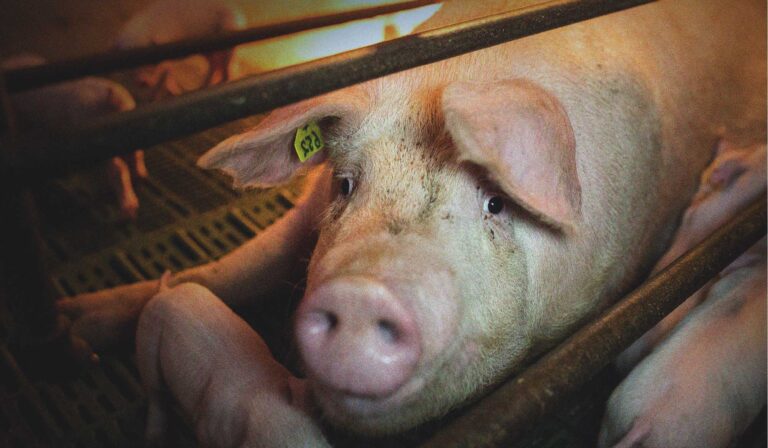
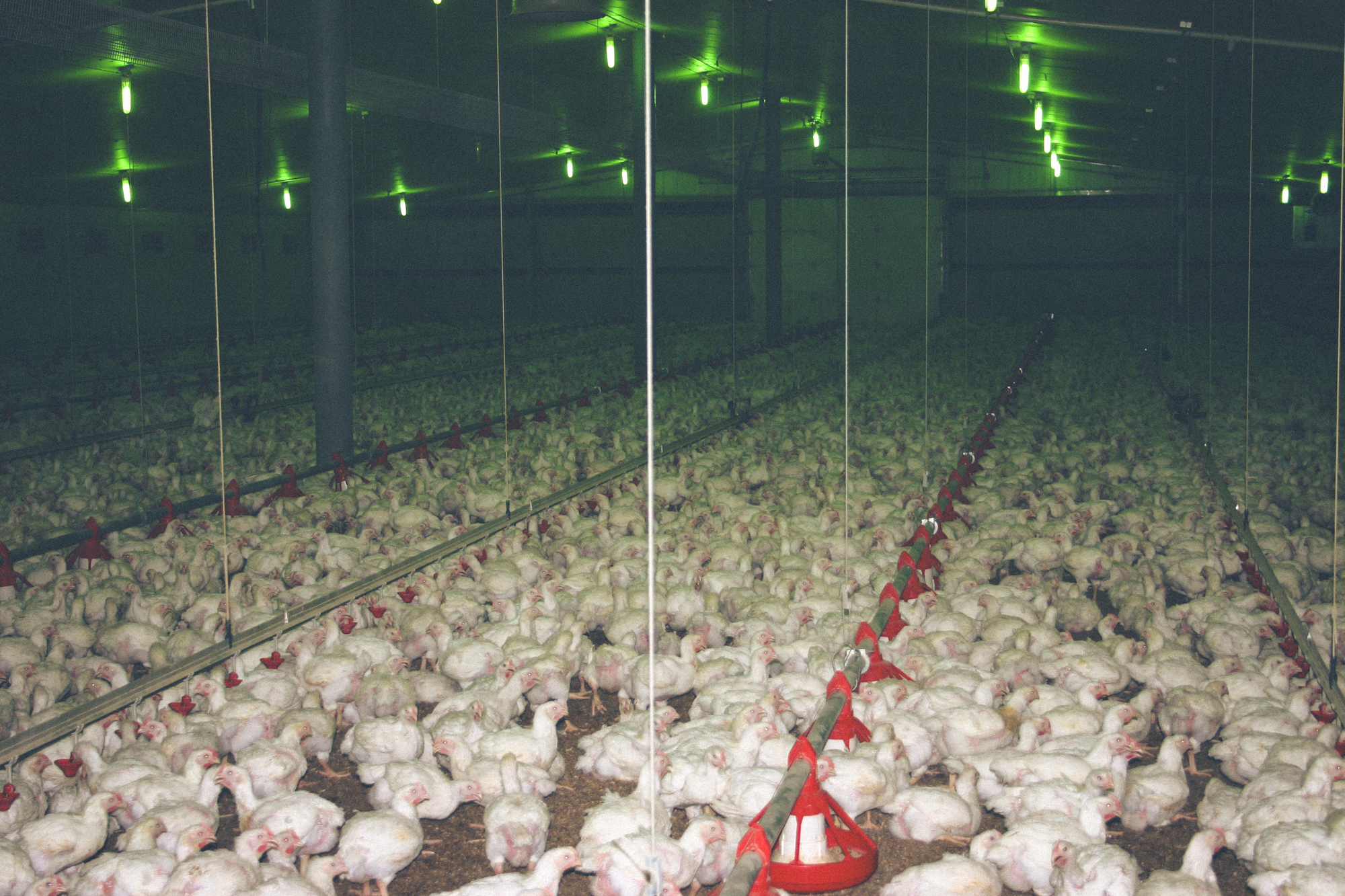
Somewhere around 130 million birds are commercially farmed every year in Aotearoa. Factory farming places vast numbers of animals in crowded, high-density environments where diseases can spread rapidly once introduced. For SAFE, bird flu is another reminder that confining millions of sentient animals in industrial farming systems is not only cruel but leaves them especially vulnerable when disease strikes.
What is bird flu?
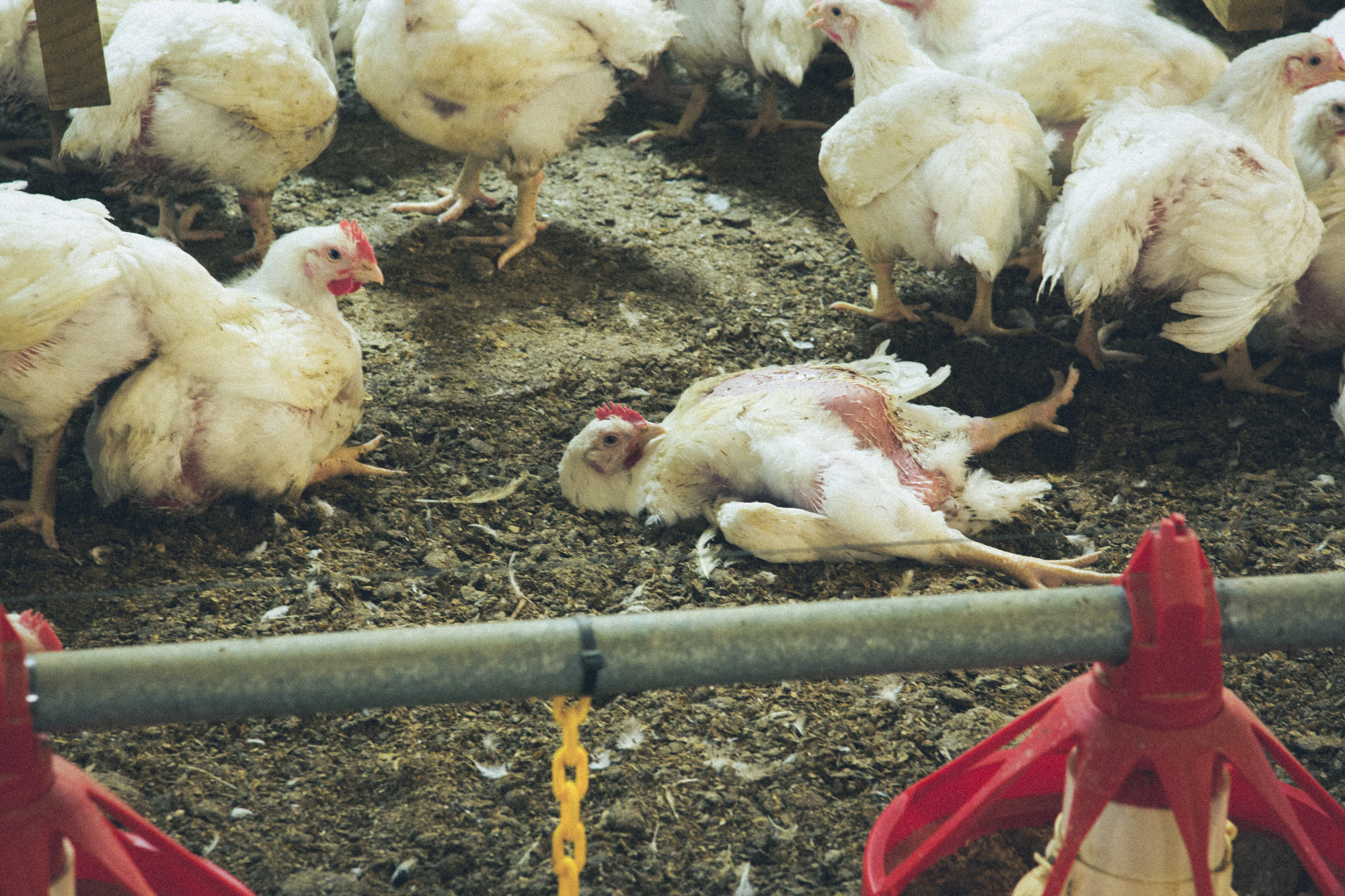
Bird flu originated from avian influenza viruses that naturally circulate among wild waterfowl. It is a contagious disease that can affect all types of birds and sometimes spread to other animals, including mammals. Highly pathogenic strains have caused outbreaks, periodically, for decades. These strains can cause serious illness and death in infected animals. Symptoms include weakness, tremors, difficulty breathing, lack of co-ordination, diarrhoea, blindness, and paralysis. Once infection takes hold, the virus spreads rapidly through a flock, and death is almost always inevitable.
A wake-up call for animal farming
In December 2024, the first highly pathogenic strain of bird flu was discovered on a chicken farm in North Otago. Hens were infected with the H7N6 strain, likely through contact with wild waterfowl. Due to the intensive nature of chicken farming in Aotearoa, the virus quickly spread through other sheds on the farm and, as a result, over 80,000 birds were killed. The birds were herded into a confined area and killed by carbon dioxide poisoning – a method known to induce fear, air hunger (suffocation), anxiety, and pain.
The 2026 bird flu outbreak has once again exposed a fundamental weakness in intensive animal farming. Housing tens of thousands of birds together in enclosed sheds allows infectious diseases to spread with devastating speed once they enter a flock. While wild birds may carry avian influenza, factory farming creates the conditions for outbreaks to escalate into mass animal welfare crises.
Behind the statistics are sentient individuals whose lives are treated as expendable within a system focused on production and profit. Every bird caught up in an outbreak is capable of experiencing fear, pain, and a sense of wellbeing. Building a more compassionate and resilient food system means ending factory farming and creating one that no longer depends on confining millions of animals in high-density industrial facilities. Only then can we move beyond treating animals as disposable commodities and towards a future that respects their inherent value.
Bird flu leads to mass killing of birds
Gruesome mass killings are carried out every time bird flu reaches a farm, and the Dunedin outbreak in 2024 showed just how quickly tens of thousands of birds can be inhumanely killed in an attempt to contain the virus. Affected sheds were emptied within hours, with birds killed through CO2 gassing. Disturbingly, these mass killings are not carried out to spare birds from the disease itself, but to minimise the economic losses that would follow if infection spread further, and if bird flu continues to move through New Zealand, this is exactly the kind of devastation we will see again.
How is New Zealand preparing for bird flu reaching chicken sheds
The Ministry for Primary Industries (MPI) has made it clear that if bird flu spreads into New Zealand’s commercial poultry industry, infected farms will be quarantined, bird movements restricted and affected flocks killed to help contain the outbreak.
This includes the potential of whole-house gassing for large flocks, rather than handling chickens individually.
With the Minister for Biosecurity stating that “While it’s an individual decision for businesses, we support free range farmers taking precautionary action to protect their birds by temporarily housing them while we continue to gather more information about the spread of H5 bird flu.”
In response, a number of free-range farms have already moved hundreds of thousands of hens indoors
as a precautionary measure.
The prospect of moving free-range birds indoors and the planned mass gassing of infected flocks raise important ethical questions about a system in which millions of sentient animals can be confined and then killed on a massive scale.