The Government is reviewing the Code of Welfare for Layer Hens in response to the growing threat of bird flu in New Zealand.
Codes of Welfare set the minimum standards for how farmed animals are treated. Reviews like this are a rare opportunity to ensure those standards actually reflect current science and public expectations.
Factory farming isn’t inevitable. It’s a choice.
This review should have been an opportunity to begin moving beyond factory farming. Instead, the proposed changes preserve the systems that cause the greatest harm to hens.
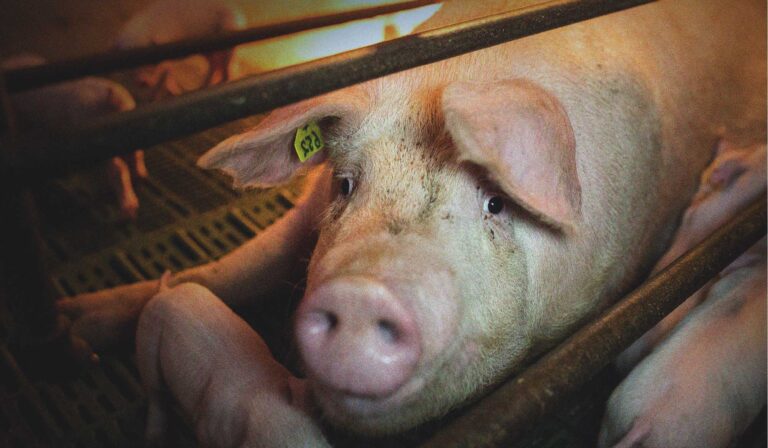
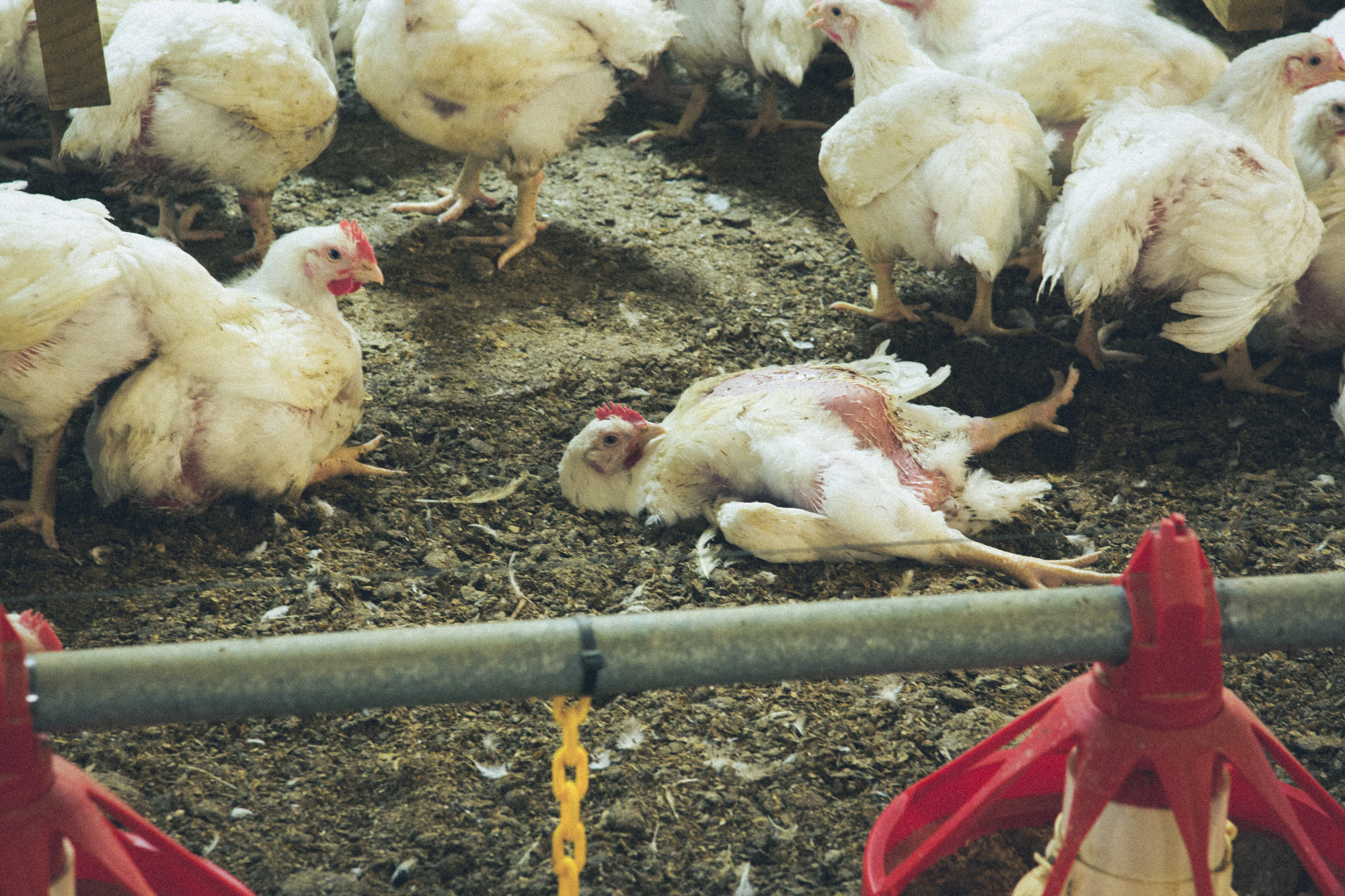
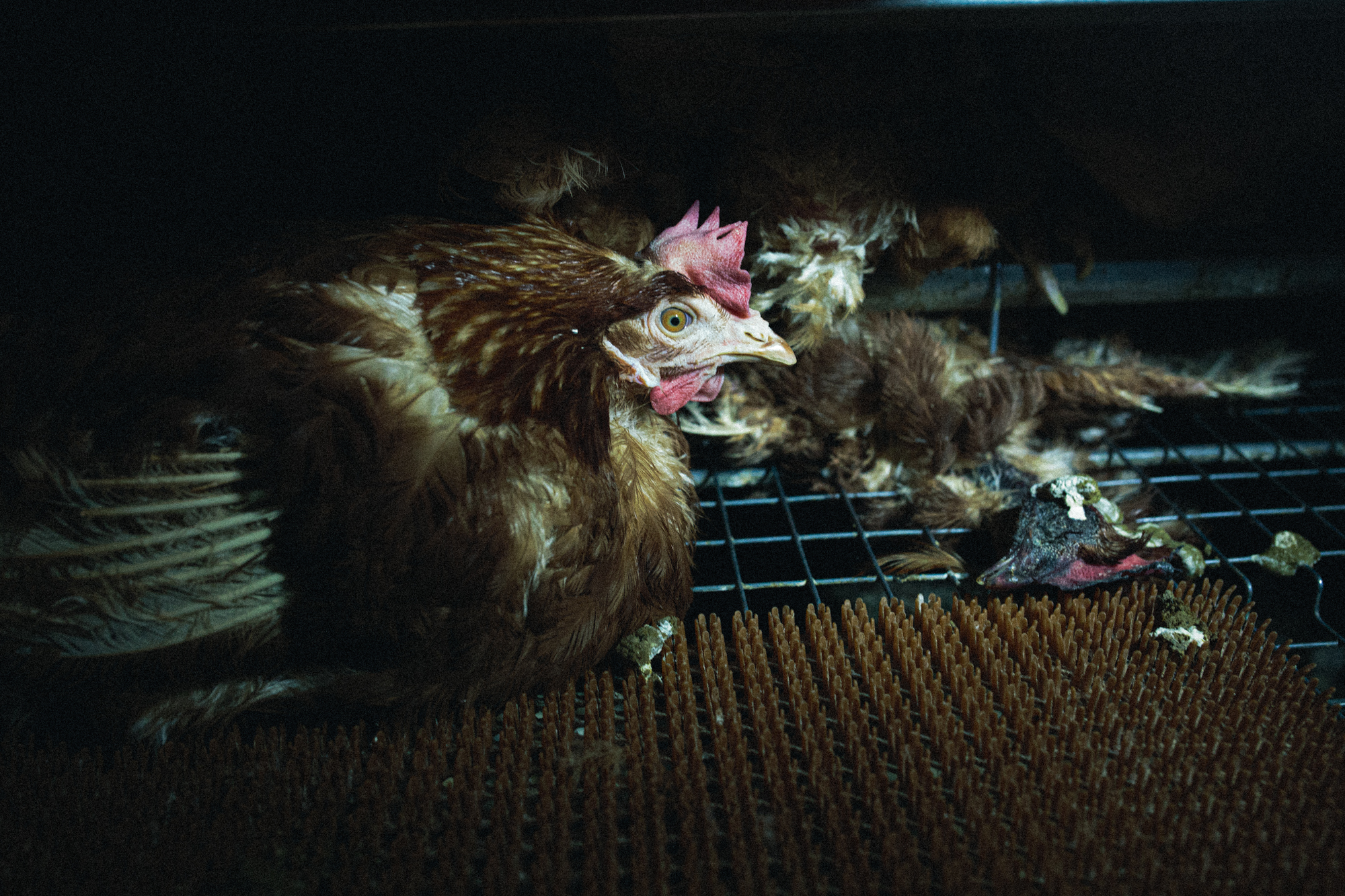
As a result, millions of hens will remain confined in overcrowded sheds and colony cages, unable to feel grass beneath their feet, dustbathe in the soil, or bask in the sun.
This consultation is a chance to tell the Government that New Zealand can choose a different future for hens.
The review misses the bigger picture
The proposed changes focus on how factory farming should operate, rather than asking whether factory farming should continue at all.
While there are some minor technical changes, the proposal does not:
- provide a pathway to phase out colony cages;
- reduce overcrowding;
- address the inherent welfare harms of intensive confinement; or
- recognise that factory farming itself creates many of the problems these rules are trying to manage.
Instead of using this review to improve the lives of hens, it largely preserves the status quo.
Bird flu exposes the problem, not the solution
One reason for reviewing the Code is the growing threat of bird flu.
Rather than justifying more confinement, bird flu highlights one of the fundamental weaknesses of factory farming.
Housing tens of thousands of birds together in enclosed sheds creates ideal conditions for disease to spread once it enters a flock.
The answer isn’t to make factory farming more resilient. It’s to build a food system that no longer depends on it.
Around the world, governments are beginning to move away from cages and other intensive farming systems. Aotearoa should be doing the same.
What SAFE is calling for
SAFE believes this review should have been the first step towards ending New Zealand’s reliance on factory farming, beginning with the phase-out of colony cages.
We want to see:
- a clear pathway to phase out colony cages;
- stronger welfare standards that reflect modern science and public expectations; and
- an animal welfare framework that supports the transition away from factory farming.
Hens deserve more than a lifetime inside sheds and cages.
They deserve a future free from factory farming.