What does ‘free-range’ mean under New Zealand’s animal welfare regulations?
There is no single definition of ‘free-range’ that applies across all farmed animals in Aotearoa New Zealand. Requirements relating to housing and outdoor access vary between species and production systems, and are set out through animal welfare legislation and Codes of Welfare.
For hens farmed for eggs, for example, the Code of Welfare describes barns with access to the outdoors as ‘free-range’ systems. Hens in these systems must have access to the outdoor area during daylight hours, unless access is prevented by bad weather or on veterinary advice.
Having access to an outdoor area does not necessarily mean every animal will have the opportunity to use it. Physical health, environmental conditions, overcrowding, competition for access and farm management can all affect whether animals go outside.
‘Free-range’ labelling has also often been accompanied by images of animals roaming on green pastures and enjoying the sunshine. These images can create a picture of freedom and choice that may not reflect the reality of life for animals in these systems.
Outdoor access does not guarantee that animals can live according to their natural needs or avoid disease, injury or other forms of suffering.
What does ‘free-range’ look like in practice?
Chickens bred for meat
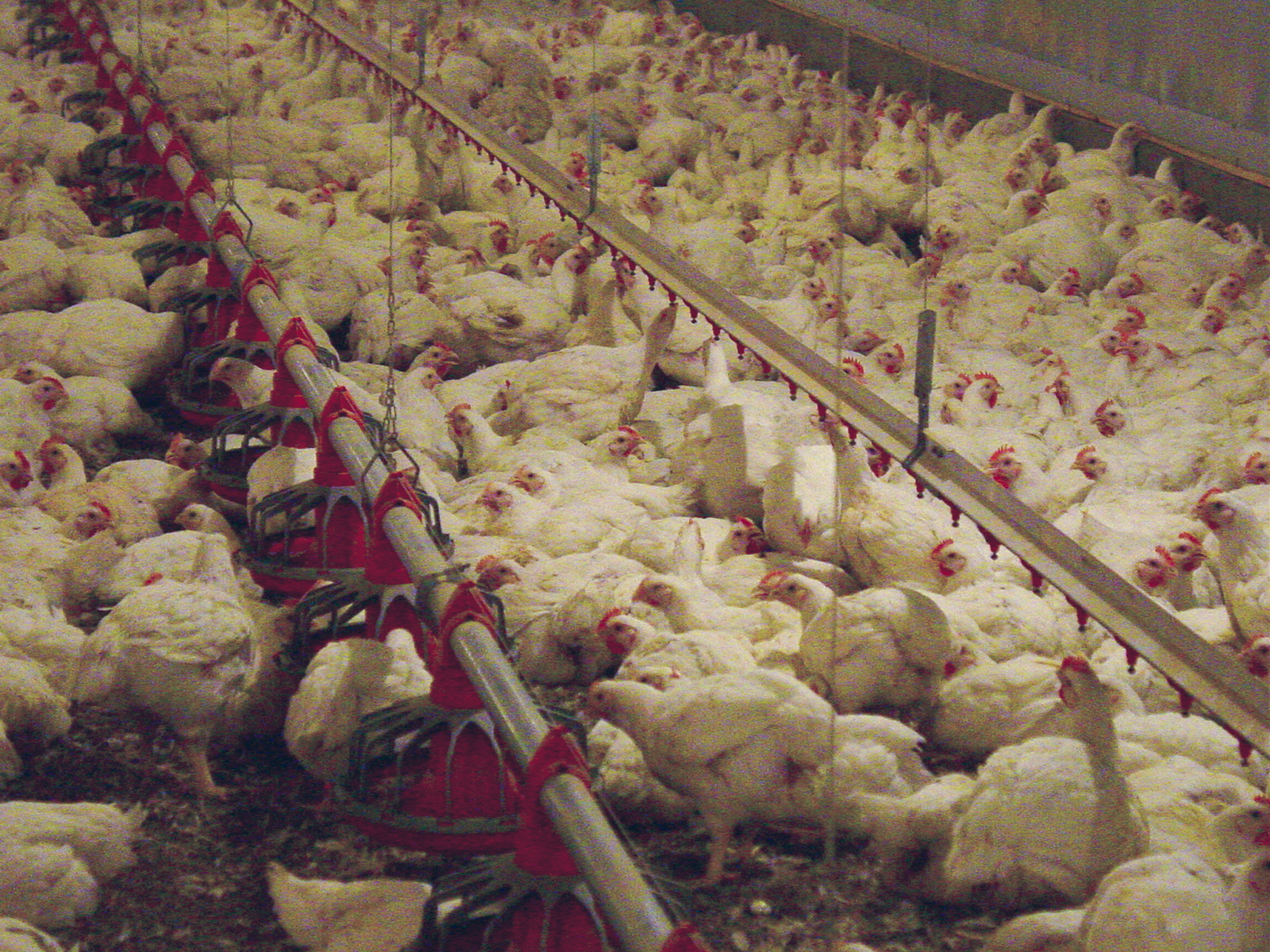
Chickens bred for meat are farmed in either indoor only barn systems or ‘free-range’ systems.
Barn-raised:
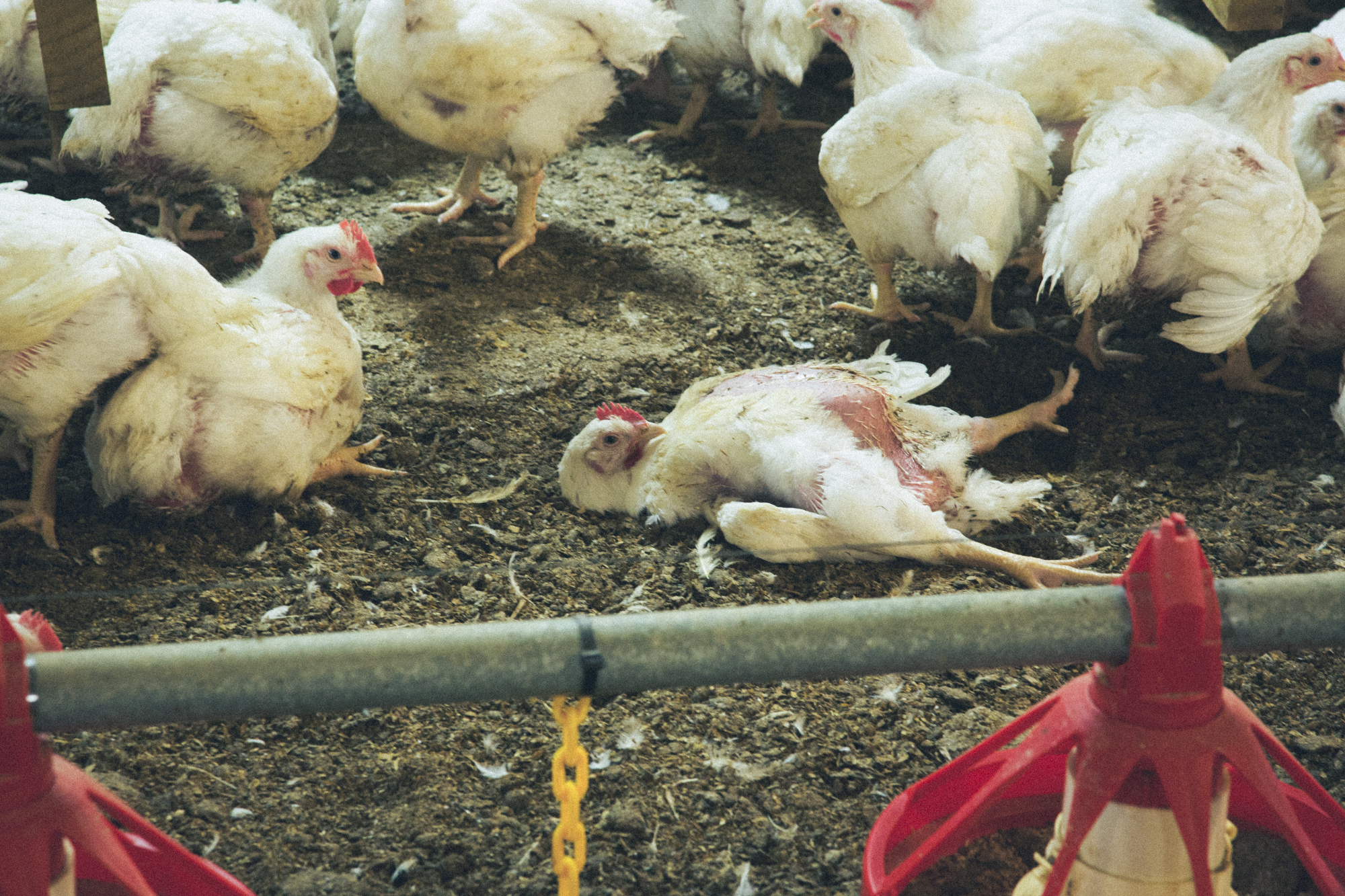
Chickens are kept indoors for the entirety of their short lives in large windowless sheds. These sheds are typically crowded with up to 40,000 birds on litter that becomes contaminated with faeces and urine.
‘Free-range’:
Chickens are housed in similar sheds, but have access to an outdoor area through openings known as ‘pop holes’.
For these “free-range” chickens, this distinction can have limited significance. Commercial chickens bred for meat in New Zealand have been selectively bred to grow extremely quickly and develop large bodies in just a few weeks. This rapid growth can put strain on their legs and contribute to lameness and other mobility problems. For a chicken struggling to atand or walk, an outdoor area may be effectively inaccessible, even when one is available.
Whether barn-raised or free-range, chickens bred for meat live short lives in intensive conditions and are typically slaughtered at just five or six weeks old. Outdoor access changes one aspect of their environment, but does not change the fundamental nature of the system.
Of the 125 million chickens farmed for meat every year in Aotearoa New Zealand, approximately 35% are kept on ‘free-range’ farms and 65% are confined in barns.
Hens farmed for eggs
Hens farmed for their eggs may be kept in a range of housing systems, including cages, indoor barn systems, and so-called “free-range” systems.
However, not all free-range farms are the same. While some farms may choose to keep hens in smaller flocks and provide more outdoor space than the minimum legal requirements, others operate large-scale intensive free-range systems housing tens of thousands of birds.
Imagine two free-range egg farms located on the same road. One farm may keep a few thousand hens in its flock, while the farm down the road may keep up to 40,000 hens in a single flock. Although both farms provide outdoor access and can legally market their eggs as “free-range”, the scale and intensity of these systems can be vastly different.
This is because New Zealand’s Layer Hens Code of Welfare does not place a limit on the total number of hens that can be farmed on a free-range operation. Instead, it sets minimum space allowances and management requirements – leaving it up to the farm owner to decide the level of intensification they are willing to subject the hens they are farming to, so long as they meet the minimum requirements for stocking densities. Currently, the code of welfare allows up to nine hens to be housed per square metre inside “free-range” sheds.
The scale of some free-range operations can be difficult to imagine. In 2024, an Otago “free-range” egg farm housing an estimated 200,000 hens tested positive for avian influenza. Around 40,000 hens were housed in each shed on the site. As the disease spread through the sheds, the large flock sizes and intensive conditions enabled the virus to spread rapidly among the birds, resulting in thousands of hens becoming sick and dying. Ultimately, authorities ordered the mass killing of all 200,000 hens on the farm. The birds were killed using carbon dioxide gas, a controversial method criticised for causing significant distress, pain and suffering, but one that was deemed the most practical way to kill such a large number of animals as quickly as possible.
As a result, the term “free-range” can encompass a wide range of farming systems, from smaller-scale farms that more closely resemble the image consumers might associate with free-range egg production, through to industrial operations housing tens or even hundreds of thousands of hens. The label alone does not indicate how many hens are kept on a farm, how large the flocks are, the quality of life the birds have or the overall scale of the operation.
Of the more than four million hens farmed for eggs every year in Aotearoa New Zealand, around one third are farmed in ‘free-range’ systems.
Hens can also be kept in colony cages inside barns. For more information, see What’s the Difference Between Colony Cages and Battery Cages?
Pigs
For pigs, labels such as ‘free-farmed’ and ‘free-range’ describes different production systems.
‘Free-farmed’:
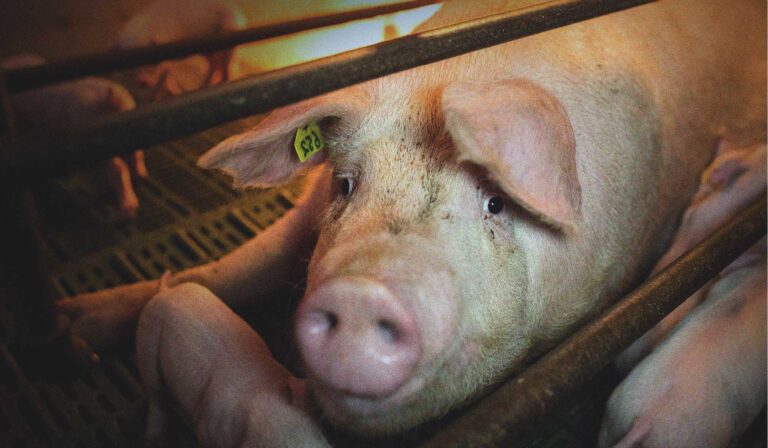
Pigs born into free-farmed systems do not necessarily spend their lives outdoors. Piglets are born to mother pigs who live outdoors, then they moved into indoor barns after they have been weaned at around one month of age. They will then spend the rest of their lives indoors, unable to free-range, before being sent to slaughter.
‘Free-range’:
In free-range systems, adult pigs and their piglets live outdoors and are provided with shelter such as farrowing huts or arks. Outdoor pigs must have access to shelter and dry lying areas, but the presence of shelter does not mean that outdoor systems recreate the conditions pigs would experience in a natural environment.
Of the more than 600,000 pigs farmed for meat every year in Aotearoa New Zealand, only 3% are farmed in ‘free-range’ systems.
Mother pigs can also be kept in farrowing crates inside barns. For more information, see Government Moves to Keep Mother Pigs in Cages Indefinitely.
Looking beyond the label
Outdoor access can change one aspect of an animal’s environment, but it does not change the wider production system they are part of. Free-range animals can still be selectively bred for production traits that can cause health and mobility problems, and may be subjected to painful procedures because of the conditions in which they are farmed. Hens have part of their beaks removed to reduce harmful pecking in crowded groups, while piglets may have their tails docked to reduce the risk of biting.
The label also leaves out what happens beyond housing. Animals are still bred for a commercial purpose, managed according to the demands of the system, and ultimately killed.
Choosing products labelled ‘free-range’ can feel like a more compassionate choice for animals. But the label tells us only one part of their story. Looking at how animals are bred, housed and managed throughout their lives gives us a fuller picture of their experience, and invites us to think more deeply about the kind of food system we want to create.