Why SAFE opposes rodeo
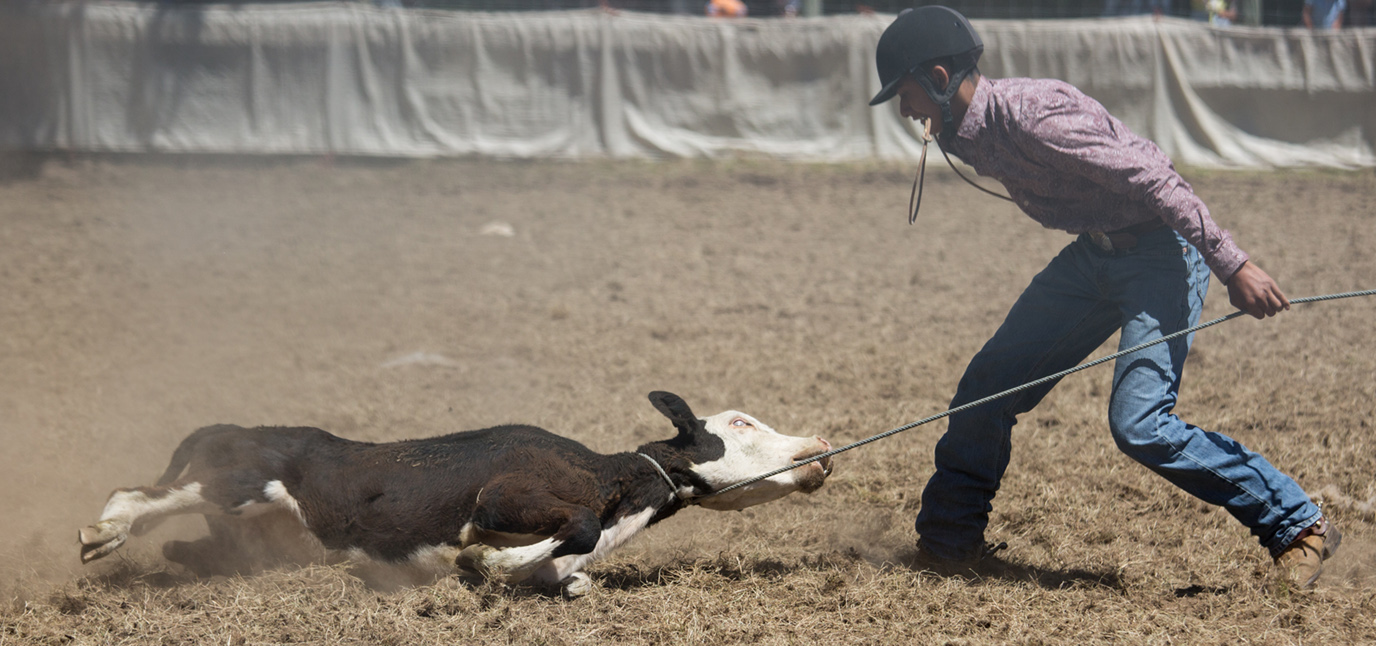
Animals used in rodeo events are forced into terrifying situations for the sake of entertainment. In competitive events, calves, steers, horses, and bulls are chased, roped, ridden, restrained, and violently wrestled to the ground. These naturally social herd animals are singled out and often provoked with painful or irritating equipment such as spurs, electric prods, and flank straps. Injuries can be severe, and in some cases animals are killed as a result.
No animal should have to endure extreme trauma or catastrophic injuries for the sake of entertainment. SAFE is calling for an end to these exceptionally cruel events, and for rodeo to be banned in Aotearoa New Zealand.
The truth about rodeo
Rodeo should be illegal – but our animal welfare system is failing animals
The Animal Welfare Act 1999 recognises animals as sentient and establishes duties to protect them, but most rodeo practices breach the Act by causing unnecessary pain and distress to animals.
Our animal welfare laws should protect animals from the cruelty inherent in rodeo, yet despite the serious harm caused to animals, this brutal form of entertainment continues with the approval of the very system responsible for safeguarding animal welfare.
New Zealand’s animal welfare system is currently failing to protect animals used in rodeo. Regulators have developed rules and guidelines that allow rodeo events to continue, despite exposing animals to significant levels of fear, trauma, and injury for entertainment. Rodeo remains legal because industry interests have been prioritised over protecting animals from harm.
You can find more information on the Animal Welfare Act here
Type of rodeo events
There are eight types of rodeo events held in New Zealand:
- Bareback bronc (horses)
- Saddle bronc (horses)
- Steer wrestling (steers)
- Bull riding (bulls)
- Team roping (steers)
- Rope and tie (calves)
- Breakaway roping (calves)
- Barrel racing (horses)
The types of injuries animals experience can include:
- Ripped tendons
- Broken bones
- Horns fractured or torn off
- Severe bruising
- Organ damage
In some cases these injuries are so severe that animals are killed as a result.
The pain and distress inflicted in rodeo is a cruel exhibition of human dominance over gentle herd animals which will continue until all rodeo events are banned.
Rodeo has no social licence
Rodeo events are held for the entertainment of a small minority and are completely at odds with New Zealander’s expectations of animal welfare – particularly as they are promoted as family friendly events.
Rodeo has already been banned from all Auckland Council owned land and public polling indicates the majority of Kiwis find it unacceptable for animals to be used in entertainment events where they are at risk of significant harm or injury. Simply put, rodeo holds no social licence in Aotearoa New Zealand.
Do other countries still allow rodeo events?
Rodeo has long been condemned internationally by veterinarians and animal welfare experts. Momentum has seen bans implemented in several international cities, states, regions, and countries where rodeo events had previously occurred.
Rodeo is already banned from all Auckland Council owned land, and SAFE is calling for a ban on all rodeo events in Aotearoa New Zealand.
What’s changing?
In October 2026, the National Animal Welfare Advisory Committee (NAWAC) released a draft revised Rodeo Code of Welfare for public consultation.
The proposed changes include:
- New restrictions on rope and tie events
- New restrictions on steer wrestling
- Effective prohibition of calf riding
While the updated code includes some measures that could reduce harm to animals, it fails to recognise the fundamental problem with rodeo itself: Animals will still be subjected to fear, pain, and distress for the sake of entertainment.
What is the Rodeo Code of Welfare?
Codes of welfare are developed by NAWAC to establish minimum standards and recommended best practice, providing guidance on how to comply with the Animal Welfare Act. The Rodeo Code of Welfare does not address the fundamental issue of rodeo: That animals are subjected to significant levels of fear, pain and distress, and the risk of injury and death for the sake of entertainment.
By permitting these barbaric events to continue, the code of welfare does not align with the intention of the Animal Wefare Act. If animals were subjected to this level of violence in other contexts there would be public outrage and calls for immediate intervention.
What is SAFE doing?
Rodeo is built on the exploitation of animals for entertainment. SAFE is campaigning to end rodeo and secure stronger protections for animals across Aotearoa New Zealand.
- Advocating for a nationwide ban on all rodeo events
- Making submissions on the revised Rodeo Code of Welfare
- Challenging rodeo through legal and policy channels
Rodeo in the High Court
In July 2022, SAFE and the New Zealand Animal Law Association (NZALA) jointly contested rodeo in the High Court. During those legal proceedings, it emerged that the publishing of the 2018 rodeo code of welfare had not adhered to due process. This suggested shortcomings with how the rodeo code was developed. The High Court did not make a ruling on the legality of rodeo, instead indicating the correct process for challenging this matter would be during NAWAC’s consultation process for the updated rodeo code of welfare. (See above for updates on the revised Rodeo Code of Welfare).
What can we ALL do to drive change?
SAFE is preparing a submission tool to help our supporters make meaningful submissions on the revised Code of Welfare. Sign up for our Animal Action Network to be notified when our tool is ready, as submissions close December 9, 2026, 5pm.