Have your say on the future of rodeo in New Zealand

Will you stand up for animals harmed in rodeo events by making a submission?

The National Animal Welfare Advisory Committee (NAWAC) has now completed its revision of the Rodeo Code of Welfare, and this is your chance to speak out against rodeo cruelty in Aotearoa New Zealand.

Join SAFE in calling for:

  • an end to rodeo
  • this code to move beyond managing harm and start preventing it
  • stronger protections for animals across New Zealand

How to make a submission

Use our simple email tool to make submission on the revised Rodeo Code of Welfare. You can send the suggested message as it is or personalise it with your own words.

The more personal your message is, the more powerful it can be.

A few tips:

  • Be polite and clear. Respectful, reasoned submissions are taken more seriously  
  • Write in your own words. Personal, heartfelt submissions can make a real impact
  • Refer to our article on 🔗rodeo cruelty in New Zealand to learn more
  • Get your submission in before 5pm on Wednesday 9 December 2026. Every submission counts!

Option 1: copy-paste your text from the form and email [email protected]

OR

Option 2: make your submission by using our form 

Talking points:

  • Rodeo has long been condemned by veterinarians and animal welfare experts due to the harm and trauma inflicted on animals.  
 
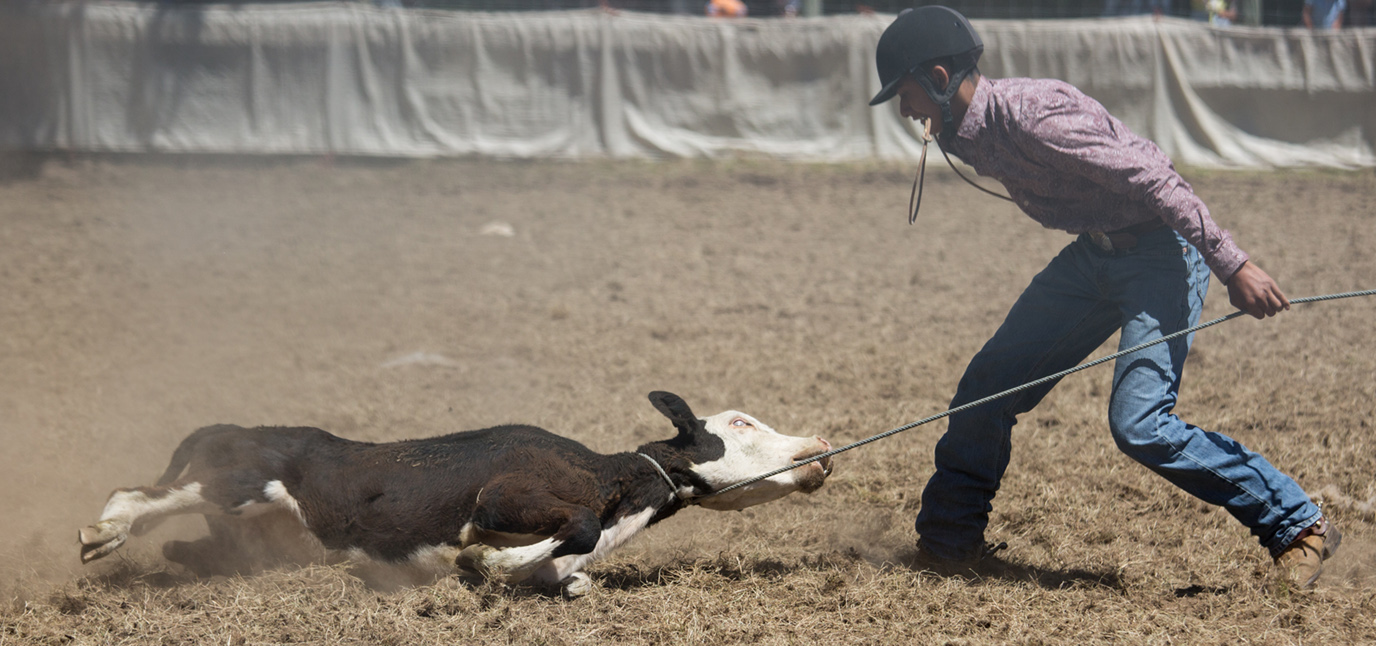
  • Animals forced to participated in rodeo events are provoked with painful instruments and equipment like spurs, electric prods, and flank straps. 
 
  • The types of injuries animals experience can include; ripped tendons, broken bones, horns fractured or torn off, severe bruising, and organ damage. 
 
  • Injuries are sometime so severe animals are euthanised as a result. During the 2024/25 rodeo circuit, five animals were killed, and during the 2025/26 rodeo circuit, two animals were killed.  
 
  • The way animals are treated in most rodeo events is completely out of step with recognised best practice for horses, bulls, cows, and calves. Farming best practice reflects calm, low stress handling, not the fear and panic seen in rodeo.  
  • The Animal Welfare Act requires animals to be protected from unnecessary pain and distress, and the revised Rodeo Code of Welfare must uphold these obligations. 
     
  • Rodeo events depend on provoking and exploiting animals, subjecting them to unnecessary pain, fear, and distress that is inconsistent with the intent of the Animal Welfare Act. 
     
  • Rodeo exposes sentient animals to serious harm, breaching key domains of the Five Domains model of animal welfare, particularly Health and  Behaviour, demonstrating that these events cause significant pain and distress.
 
  • The revision of this code of welfare should have resulted in NAWAC recommending what is in the best interests of animals, and that would be a ban on rodeo rather than enabling harmful practices to continue.  
  • Rodeo events are held for the entertainment of a small minority and are completely at odds with New Zealanders’ expectations of animal welfare. 
     
  • Rodeo has no place in a society that values compassion for animals. Rodeo events are already prohibited on all Auckland Council owned land, reflecting the recognition that they don’t align with New Zealand’s animal welfare standards of care. 
     
  • Public polling conducted by SAFE and Verian indicates that a clear majority of Kiwis (79%) consider it unacceptable for animals to be used in entertainment events that put them at risk of significant harm or injury.   


  • Around the world, governments and local authorities are moving to end rodeos and dangerous rodeo practices, with bans introduced in cities, states, regions, and countries where these events were once permitted. These reforms demonstrate that New Zealand can no longer justify allowing animals to be harmed for competition and entertainment. 


  • Introduced in New Zealand in the 1960s, rodeo has no roots in New Zealand’s farming traditions and stands as an outdated spectacle that doesn’t reflect modern animal welfare standards. 


  • Rodeo is promoted as family entertainment, but these events expose children and young people to animals being mishandled, harmed, and traumatised. We should be transitioning toward community events that offer safe, more constructive experiences and promote positive community values.


The National Animal Welfare Advisory Committee (NAWAC) should:  


  • Recommend an end to rodeo in New Zealand, recognising the rodeo industry cannot operate without causing unnecessary pain, fear, and distress to animals.  


  • Advise the Minister responsible for animal welfare that rodeo has no place in a modern animal welfare system and should be phased out.  


  • Prohibit rodeo events and practices that involve the use of animals and expose them to pain, fear, distress, and the risk of injury or death. 

construct your email:

This field is for validation purposes and should be left unchanged.
Name(Required)
Construct your submission below using the talking points. These will be sent directly to [email protected]

Why your voice matters...

Our animal welfare laws should protect animals from the cruelty inherent in rodeo, yet despite the serious harm caused to animals, these events continue with the approval of the very system responsible for safeguarding animal welfare.

This is our moment to stand up for animals abused in rodeo events across the country. Use your voice to:

Related articles

New Zealand Rodeo, Calf Roping

The Cruel Reality of Rodeo in New Zealand

Every summer in New Zealand, gentle natured animals are subjected to intense fear, distress and the risk of injury and death at rodeo events. Condemned here and internationally by veterinarians and animal welfare experts, rodeo is a brutal form of entertainment in which horses, bulls, steers, and calves are used
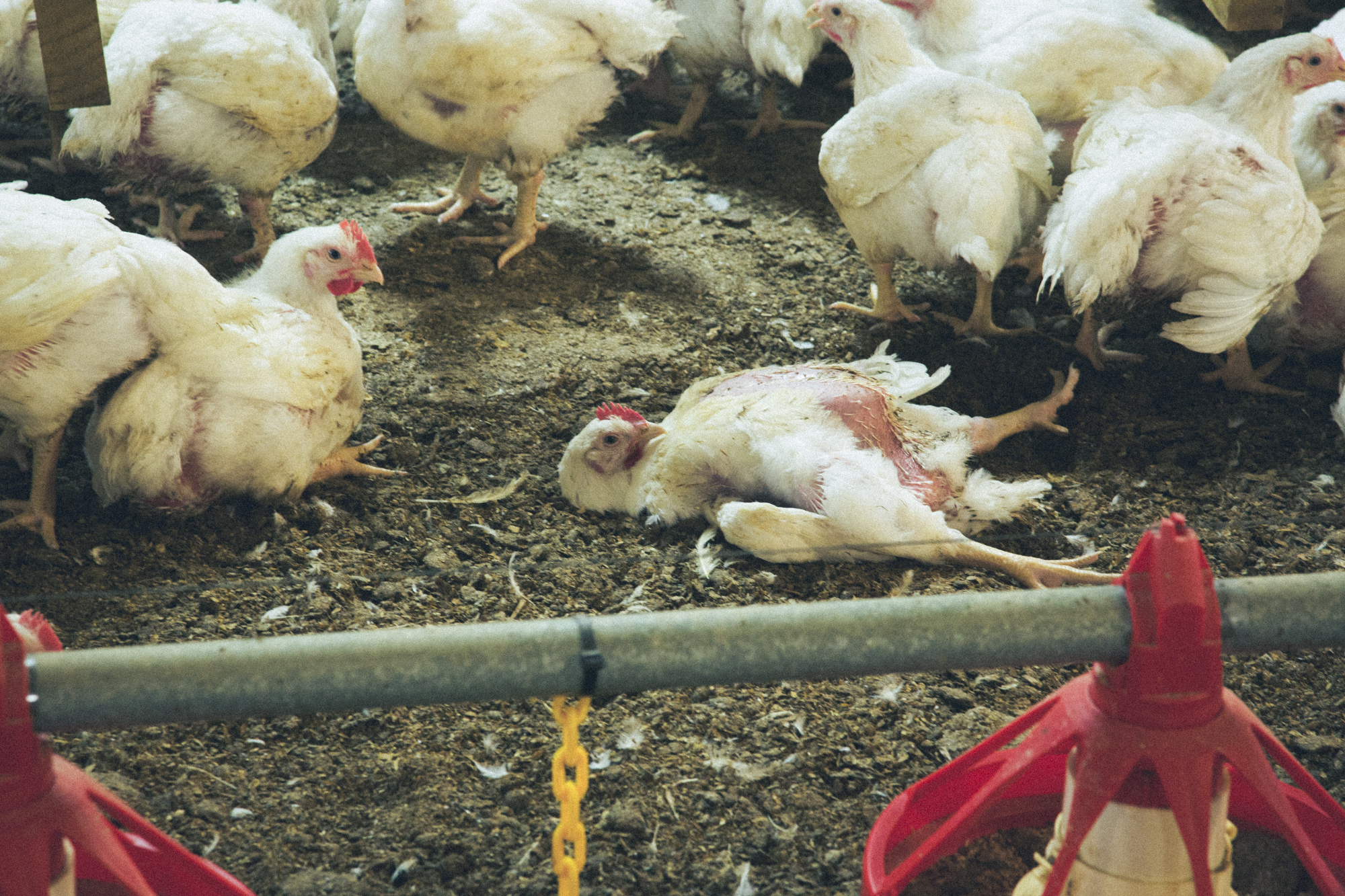
Chickens bred for meat suffer in factory farms across New Zealand

Certified Factory Farming

A chicken can be bred to grow so quickly that she struggles to walk and still be raised on a farm certified by a trusted animal welfare organisation. That’s what recent footage from two SPCA Certified farms shows.