What is the Animal Welfare Act?
The Animal Welfare Act 1999 (the Act) is New Zealand’s primary animal welfare law. It recognises that animals are sentient and places legal duties on people who own or are responsible for animals.
The Act says that animals’ physical, health, and behavioural needs must be provided for. These include adequate food, water and shelter, opportunities to display normal patterns of behaviour, appropriate handling, and protection from significant injury and disease. People responsible for animals must take reasonable steps to meet these needs in accordance with good practice and scientific knowledge.
There are also legal protections against certain forms of ill-treatment and neglect. It defines animal welfare offences and sets penalties for people who break the law, which can include fines, imprisonment, and disqualification from owning or being in charge of animals.
The Act also establishes the wider framework for New Zealand’s animal welfare system. This includes advisory committees that provide advice on animal welfare, as well as processes for developing regulations and codes of welfare.
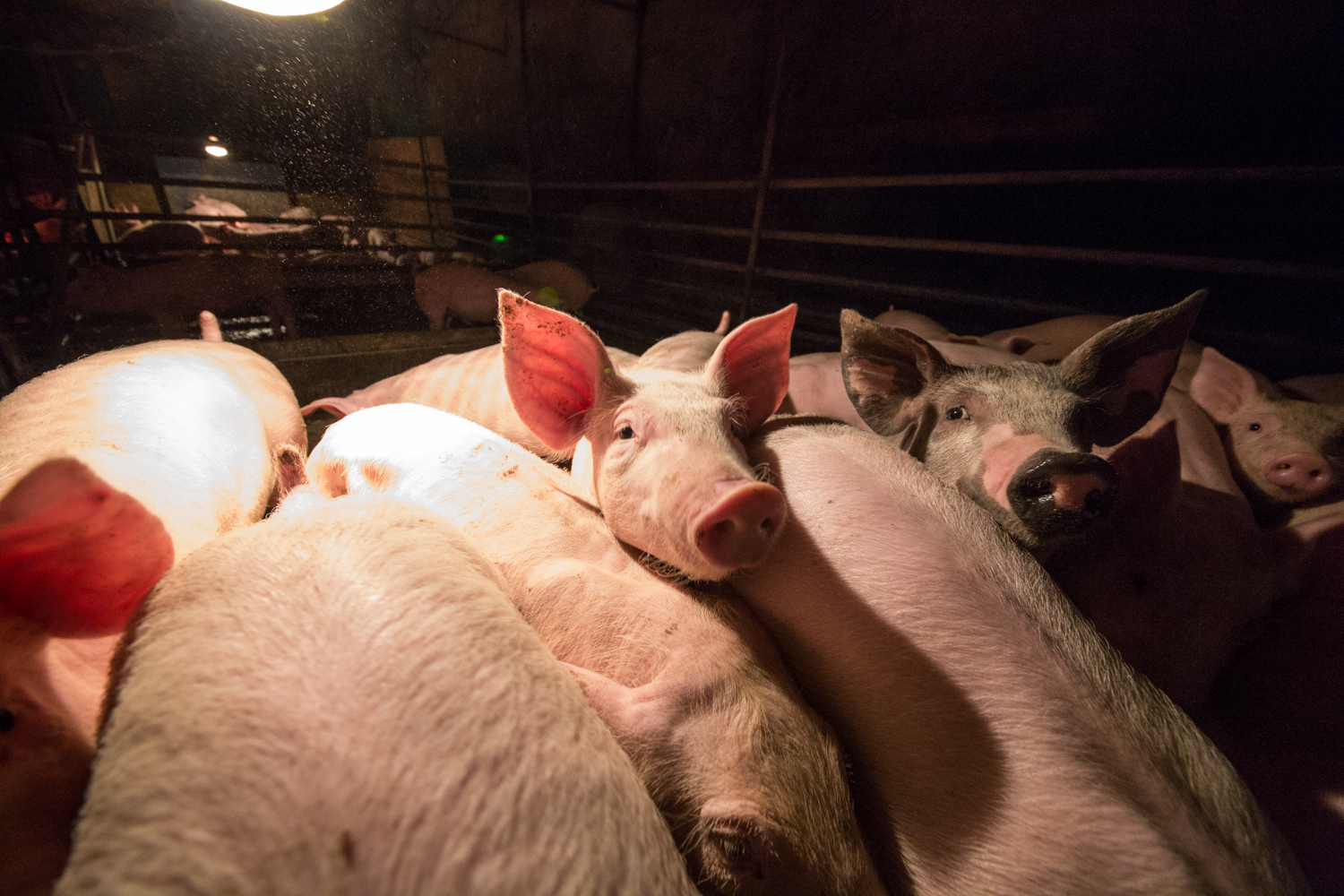
On the face of it, this sounds like a strong foundation for protecting animals. Yet millions of animals are still raised in factory farms where confinement, painful procedures, and breeding practices can cause serious suffering.
The rules
The Animal Welfare Act sets out broad legal duties, but more detailed rules and guidance are needed to apply those duties to different animals and situations. These are provided through regulations and codes of welfare.
Regulations are legally enforceable rules made under the Act. They establish specific requirements for how animals are kept, handled, transported, or subjected to particular procedures. They also provide a way to address certain breaches of animal welfare requirements through specific offences and penalties, including for conduct that may not reach the threshold of more serious offending.
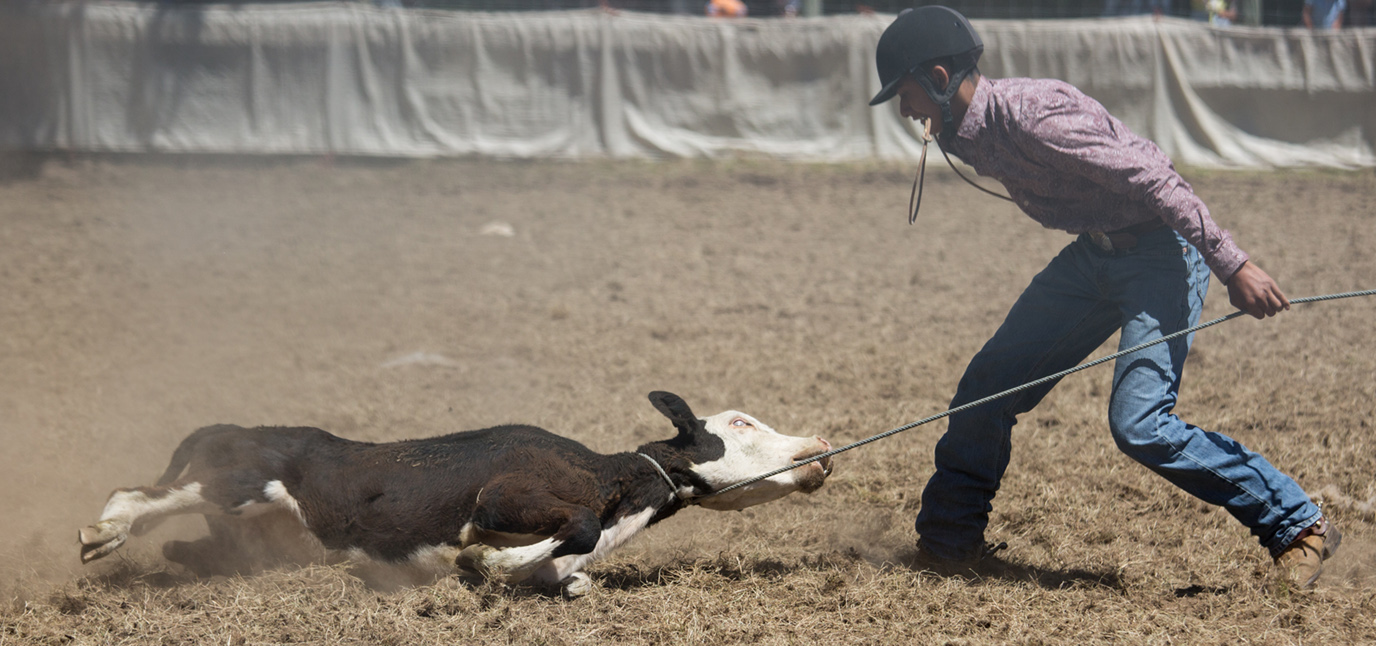
Codes of welfare cover particular animals or activities. There are codes for pigs, chickens bred for meat, hens farmed for eggs, dairy farming, rodeo, commercial slaughter and other areas of animal use.
These codes are not directly enforceable. They are intended to provide guidance on how to meet the obligations of the Act, setting out minimum standards for animal care alongside recommendations for best practice. Their legal significance is that a failure to comply with a relevant minimum standard can be used as evidence in a prosecution under the Act.
Together, the Act, regulations, and codes of welfare form a framework for determining how animals are treated and what practices are legally permitted.
In principle, the standards set out in codes of welfare should help translate the Act’s duties into practical requirements for different animals and situations. In practice, however, some minimum standards allow practices that cause animals significant harm. This raises questions about how those standards are developed and who the decision-makers are.
There is room for judgement
The Animal Welfare Act repeatedly uses words such as reasonable, necessary, practicable, good practice, and scientific knowledge.
These words are important because they require judgement.
For example, the Act requires people to take all reasonable steps to meet an animal’s needs. When an animal is sick or injured, treatment to relieve unreasonable or unnecessary pain or distress must be provided. The Act also requires animal welfare decisions to be made in accordance with good practice.
These terms allow the law to take account of different circumstances. But they also mean that there are decisions to be made about where the boundaries should sit.
What counts as reasonable? What is good practice? When is pain or distress deemed unnecessary?
This gives regulators and decision-makers considerable room to decide what is acceptable, including how to balance animal welfare against other considerations when setting standards.
There is a more fundamental limitation, however. The Animal Welfare Act was developed to regulate the use of animals and set minimum standards for how they are bred, kept, transported, and killed. It assumes these activities will continue, with the law setting limits on how they can take place. It was not designed to help society move away from harmful forms of animal use.
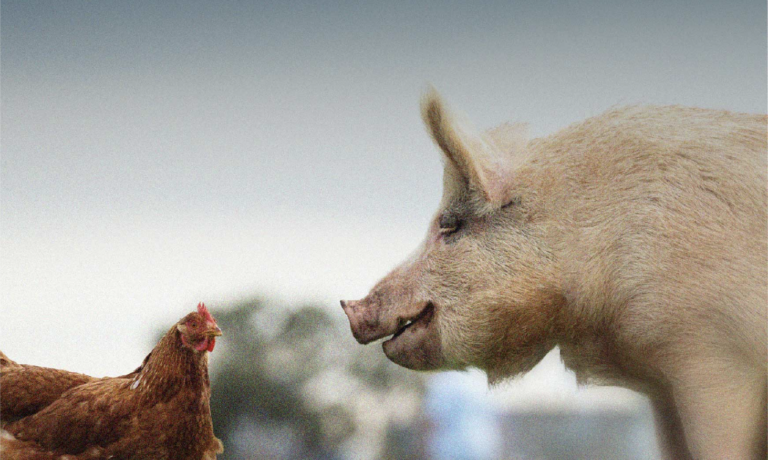
While the Act recognises animals as sentient, it does not give them legal personhood or rights that allow their own interests to determine how they are treated. Animals have their own thoughts, feelings, preferences, and relationships. They can learn, remember, communicate, solve problems, and experience a range of emotions. Mother pigs form strong bonds with their piglets, and hens are intelligent, socially complex animals with distinct personalities. Yet they can still be treated as units of production within systems designed around human demand for meat, eggs, and other animal products.
The Animal Welfare Act was enacted in 1999. More than 25 years later, our understanding of animal sentience, behaviour, and welfare has advanced, but the basic structure of the system remains much the same.
Who decides?
Decisions about animal welfare rules are made within a system where the interests of animals are weighed against the commercial interests of the industries that use them.
The Ministry for Primary Industries (MPI) plays a central role in developing and enforcing animal welfare standards. But it is also responsible for promoting and growing New Zealand’s primary industries, including animal agriculture.
This creates a fundamental conflict of interest: the government agency responsible for enforcing animal welfare law is also responsible for promoting industries that profit from breeding, confining, and killing them, resulting in an inherent tension between economic objectives and the welfare of animals.
Industries that use and profit from animals also have opportunities to influence the laws and standards governing their own activities. Through consultations and direct contact with policymakers, industry representatives can advocate for rules that accommodate their commercial interests. They have established relationships with government officials, and significant economic interests at stake in decisions relating to the use of animals .
Animals, meanwhile, have no direct representation in these processes. Their interests depend on others advocating on their behalf, while the industries that profit from them have a direct stake in the outcomes.
SAFE believes this imbalance gives industry interests markedly disproportionate influence over animal welfare policy. When commercial concerns about costs, productivity, and established farming practices carry significant weight in decision-making, reforms can be delayed, weakened, or reshaped to accommodate industry, even where there is clear evidence of harm to animals.
The history of farrowing crates and mating stalls provides a clear example of how these dynamics play out in practice.
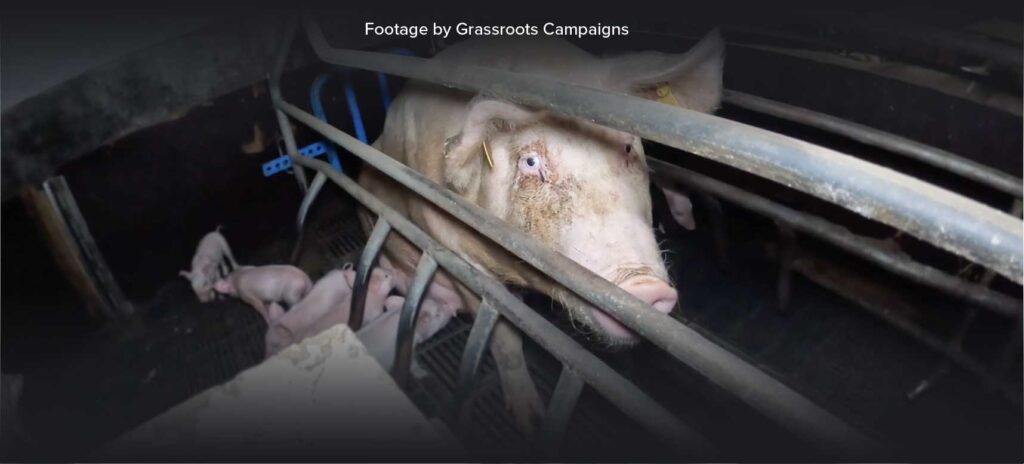
Case study: Mother pigs and farrowing crates
Farrowing crates are narrow metal cages used to confine mother pigs around the time they give birth. They prevent mothers from turning around, building nests, and caring for their piglets. Mating stalls are similarly restrictive cages used during forced mating.
In 2020, the High Court found that regulations permitting farrowing crates and mating stalls were unlawful under the Animal Welfare Act. A five-year transition period was established, with these systems due to be phased out by December 2025.
The Government’s own animal welfare advisory committee, NAWAC, subsequently reviewed the pig welfare standards. After considering scientific evidence and public submissions, NAWAC concluded that even temporary crating did not meet the purposes of the Act and recommended that farrowing crates be phased out.
Instead of allowing the phase-out to proceed, the Government changed direction. Between 2024 and 2025, the Ministry for Primary Industries held further targeted discussions with NZ Pork, the industry body representing pig farmers, about changes to pig farming rules. Animal welfare organisations were not given the same opportunity to participate in this later process.
In October 2025, the Government introduced legislation to amend the Animal Welfare Act itself, allowing farrowing crates and mating stalls to continue. The changes followed concerns from the pork industry about the costs and practical implications of phasing out these systems.
The Bill proceeded despite strong public opposition. Nearly 90% of submissions opposed the proposed changes, yet Parliament passed the legislation under urgency in December 2025.
The result was that a practice previously found unlawful by the High Court was made permissible again through changes to the very Act that had provided the basis for challenging it.
This case shows how industry interests can shape the laws governing animal use. The High Court ruling, NAWAC’s advice, and overwhelming public opposition did not prevent the Government from changing the law to accommodate the pork industry’s concerns.
For mother pigs, this means continued confinement in systems that severely restrict their movement and prevent them from carrying out important natural behaviours. It also demonstrates why lasting change requires us to examine the framework itself: how animal use is regulated, how decisions are made, and whose interests carry the most weight.
Animals need a system that works for them
Farrowing crates are one example of a much bigger issue. In factory farming, animals are treated as commodities in an industrial production system. They are bred to maximise output for human use, confined in crowded and restrictive environments, and subjected to painful procedures to make them easier to manage within these systems. Their physical and behavioural needs are subordinated to the demands of production.
Many of these practices remain legal. Despite growing scientific understanding of animals, our laws continue to permit farming systems that cause widespread harm.
This is why SAFE is calling for review and reform of New Zealand’s animal welfare system as part of our campaign to End Factory Farming.
That means examining the Animal Welfare Act itself, as well as the regulations and codes of welfare made under it. It means looking at who makes decisions, how standards are developed and reviewed, and how the interests of animals are represented.
Challenging individual practices and harmful regulations will remain important. But these efforts need to be part of a broader goal: transforming the system that governs animal use and creating the conditions to end factory farming in Aotearoa.
New Zealand needs an animal welfare system that reflects what we know about animals today and is capable of delivering meaningful protection for them.