
For years, climate policy has focused on fossil fuels, transport and energy. These are all essential. But our food system, and in particular animal agriculture, is a major source of emissions that receives far less attention, despite the growing body of evidence showing it is critical to meeting global climate targets.
Animal agriculture is among the principal drivers of our current planetary crisis responsible for up to 19.6% of all global greenhouse emissions as well as driving soil degradation, deforestation, biodiversity loss, diet related public health issues and animal suffering.
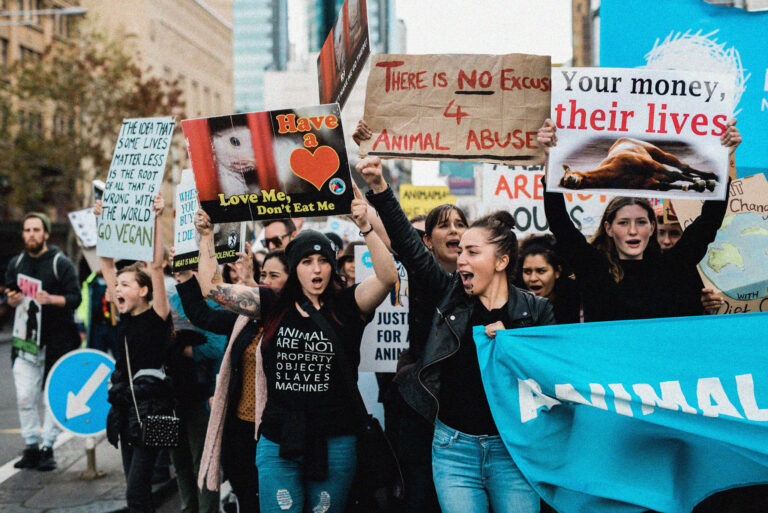
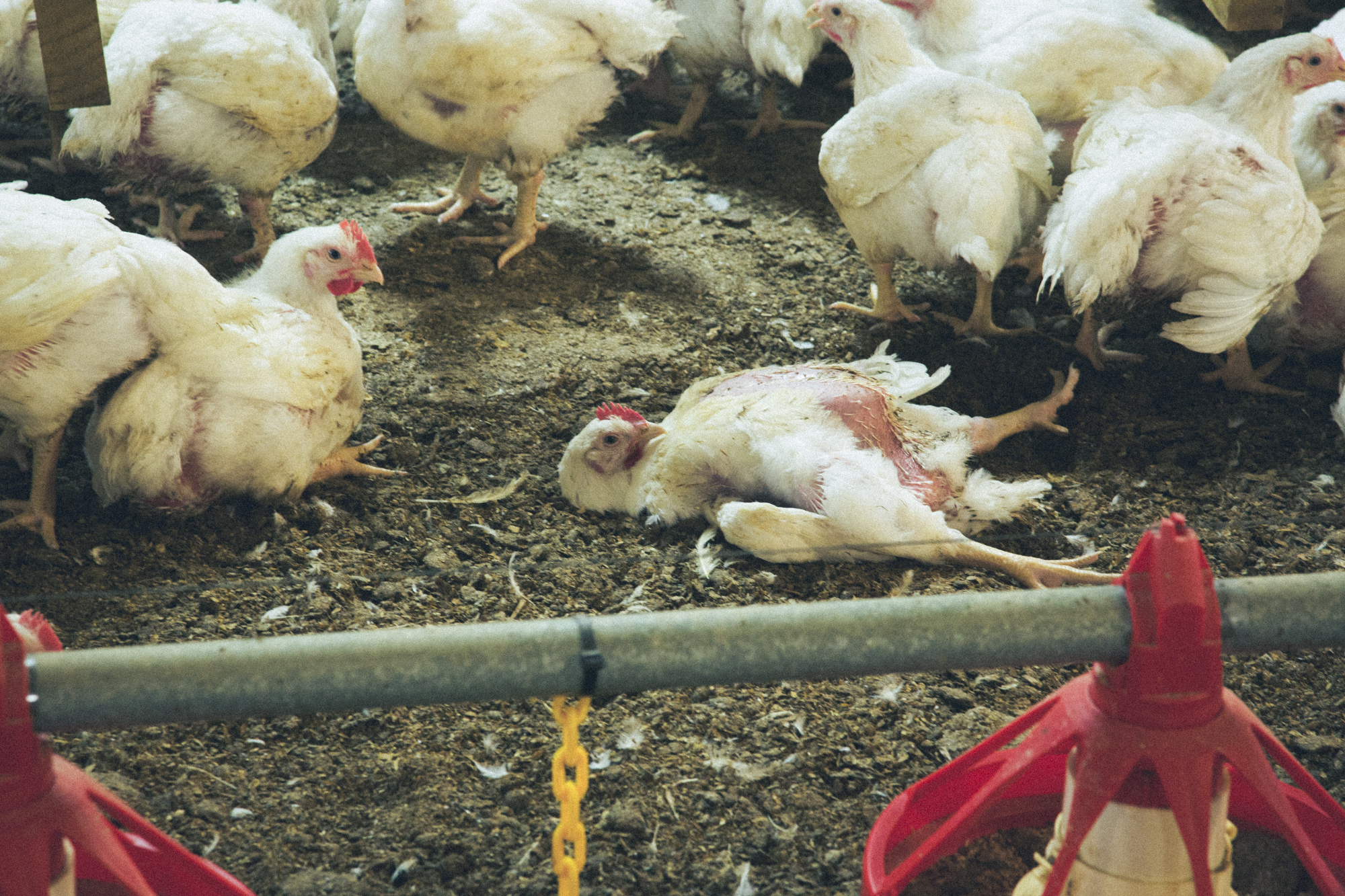
At the same time, our food system is deeply connected to some of the issues many SAFE supporters care about most: the welfare of farmed animals, the health of our environment, and the future of our communities.
Diet change remains largely absent from international climate negotiations
Most countries continue to focus on how food is produced, while avoiding conversations about what we produce and consume – our diets.
This matters because technological improvements alone cannot solve the problem. While efficiency gains on farms are important, they have limits.
As emissions from food systems continue to rise globally, scientists increasingly warn that we will struggle to meet climate goals without addressing consumption patterns, particularly the overconsumption of meat and dairy in wealthier nations.
The case for diet change
Globally, meat consumption is projected to grow due to population increase, greater economic prosperity and dietary shifts within some middle-income countries. As well as being emissions- intensive, the consumption of red and processed meat is also associated with increased risk of non-communicable diseases, including cardiovascular disease, type 2 diabetes and certain cancers.
Because meat-free foods such as vegetables, fruits, legumes and wholegrains produce lower relative emissions one way to reduce greenhouse gas emissions is to reduce demand for greenhouse gas-intensive foods by encouraging shifts to more sustainable, plant based diets.
A global transition to healthy and nutritionally adequate dietary patterns that focus on sustainable food choices could reduce premature mortality by as much as 22% and cut diet-related emissions by between 54% and 87%.
New Zealand is a powerful example of why this conversation cannot be ignored
Agriculture accounts for roughly half of Aotearoa’s greenhouse gas emissions, with methane from livestock making up the largest share. Yet New Zealand’s climate response has focused much more on how food is produced than on the role that our diets can play in creating a healthier, lower-emissions future.
Discussion and policy responses remain heavily focused on reducing emissions per animal, rather than reducing reliance on animal agriculture itself. This leaves an important gap in our climate response and overlooks opportunities to reduce emissions while delivering broader benefits for health, nature and animal welfare.
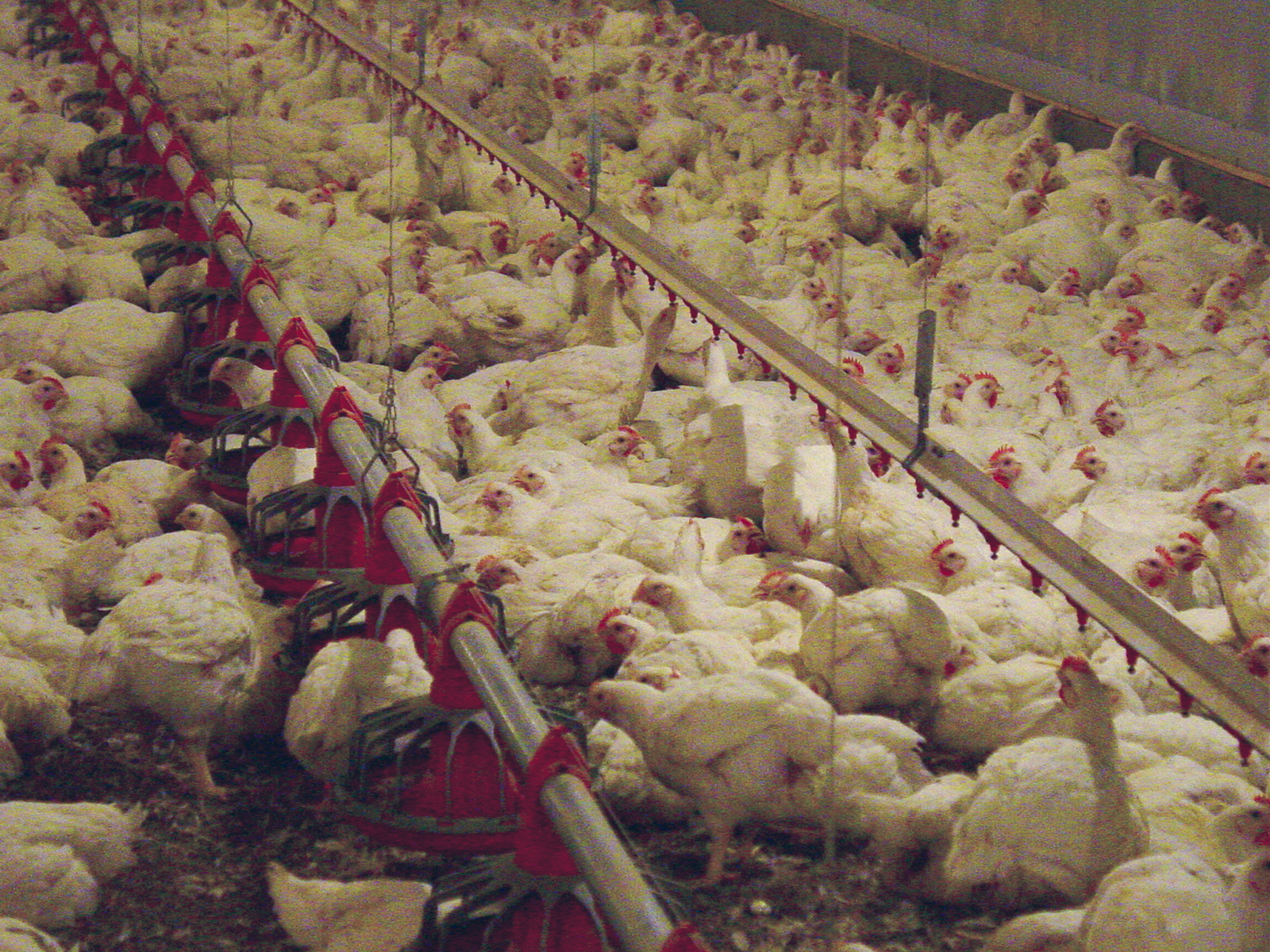
The truth is simple. We cannot achieve climate goals while continuing to expand a food system built around intensive animal agriculture. Nor can we protect biodiversity, reduce pressure on land and waterways, and improve animal welfare without creating space for more plant-based foods.
But there is good news…
The good news is that solutions that are better for animals can also be better for the climate.
The good news is that dietary change offers multiple benefits at once. Choosing more plant-based foods can help lower emissions, reduce pressure on ecosystems, improve public health outcomes, and spare millions of animals from suffering.
Few climate solutions offer such wide-ranging benefits.
This is why SAFE believes diet must be part of the climate conversation.
As governments negotiate climate commitments and businesses develop sustainability plans, diet change can no longer be treated as an uncomfortable topic to avoid. Talking about diet change can feel personal, and sometimes controversial. But this isn’t about demanding perfection or telling people what they must eat. It’s about recognising that our food choices have consequences, and that small changes, multiplied across millions of people, can make a meaningful difference.
For animals, for nature and for a stable climate, changing our diets may be one of the most powerful tools we have
It is one of the most effective tools we have for creating a healthier, more sustainable and more compassionate future. The climate crisis will not be solved without transforming our food system.
World leaders, and COP31 delegates, need to listen to the science and include dietary change into climate policies now!
By choosing more plant-based foods, you can make a meaningful difference for the climate while supporting animal welfare and your own wellbeing. Find practical tips and resources on SAFE’s Go Vegan page.