Calling plant-based beverages “milk” has been stirring controversy for decades
In 1997, the US dairy industry launched a campaign urging the FDA to crack down on soy milk producers using the term “milk”. Despite sustained lobbying, the FDA didn’t pursue enforcement.
As almond milk, oat milk and other plant-based alternatives grew in popularity over the following two decades, dairy sales declined in many markets. In response, dairy industry groups intensified their efforts, arguing that plant-based products were benefiting from dairy’s reputation while competing directly with dairy farmers.
By 2017, the debate had reached Australia. Dairy lobby groups called for the word “milk” to be reserved exclusively for animal-derived products, arguing that labels such as almond milk and soy milk were misleading and confusing consumers.
In the UK, tensions reached a tipping point in early 2026 when the UK Supreme Court ruled that Oatly could not trademark the slogan “post milk generation“. The case was brought by Dairy UK, which challenged the oat milk giant’s attempt to secure exclusive rights to the phrase. Dairy UK argued that, under trademark law, the term “milk” can only be used to refer to products that come from an animal.
It was a blow for plant milk companies everywhere, and another reminder that plant-based food is constantly persecuted by those with stakes in the multi-trillion-dollar industry.
All plant-based products are under scrutiny by big ag
This scrutiny extends beyond just plant milks; in Europe, lawmakers have agreed to ban 31 specific meat-related words from being used to describe plant-based products. The likes of beef, veal, pork, poultry, chicken, and bacon will be exclusive to animal-sourced proteins.
This obsession with a word having exclusivity is completely inconsistent with how language works. Context is crucial when we speak. If someone told you to peel an apple’s ‘skin’ to expose the inner ‘flesh’, you likely wouldn’t be up in arms about those anatomical terms being used for objects outside the animal kingdom.
Equally, ‘jellymeat’ (for cats) and ‘mincemeat’ (for Christmas pies) don’t throw customers off when they’re looking for pet food or meat for their Sunday roast. Context matters.
So why are lobbyists so angry with plant milk?
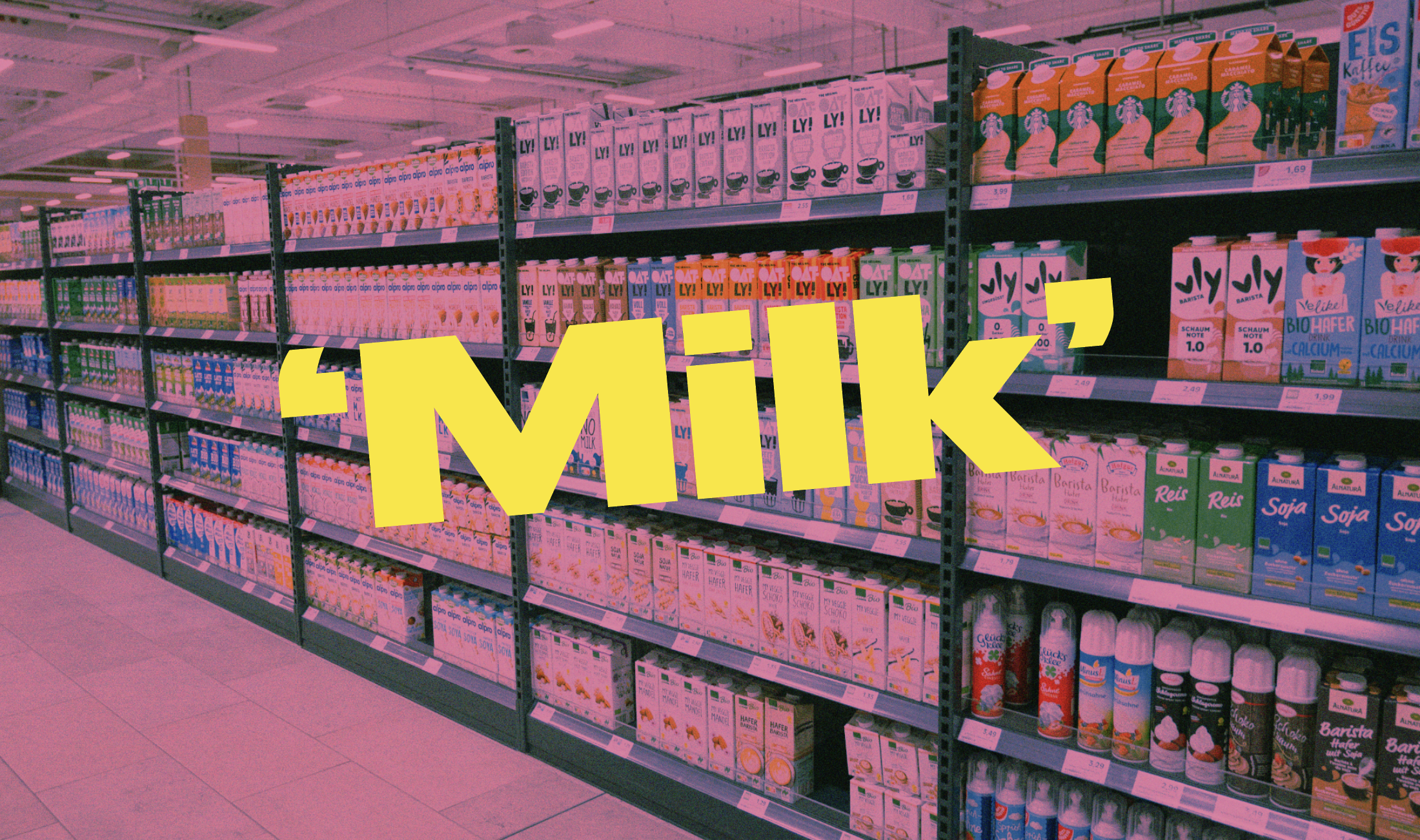
Nobody walks into a supermarket, picks up a carton labelled “oat milk” and assumes it’s oat-flavoured dairy. They also don’t picture oats being ‘milked’ to produce a liquid. Consumers can be assumed to have common sense.
The thing is, this debate isn’t really about language or anything to do with the quality or tastiness of plant milks. It’s about market share.
Language is always changing. In fact, the word milk has referred to white liquids from plants for centuries. Coconut milk appears in English texts dating back hundreds of years. So does almond milk, which was a staple ingredient in medieval European cooking long before refrigeration made cow’s milk practical in many regions. Even the sap of some plants has long been described as a “milky” liquid. The idea that “milk” has always belonged exclusively to dairy simply isn’t borne out by history.
The dairy industry understands that language shapes culture. If consumers increasingly see plant milks as ordinary, everyday alternatives to cow’s milk, then dairy no longer occupies its long-held position as the default. Even now, with all of the plant milks on the market, it’s still normal for customers to specify “normal milk” to a barista when they’re requesting cow’s milk. Restricting the language makes those alternatives appear unfamiliar or second-rate, even when consumers know exactly what they are.
It’s time to re-think our food system
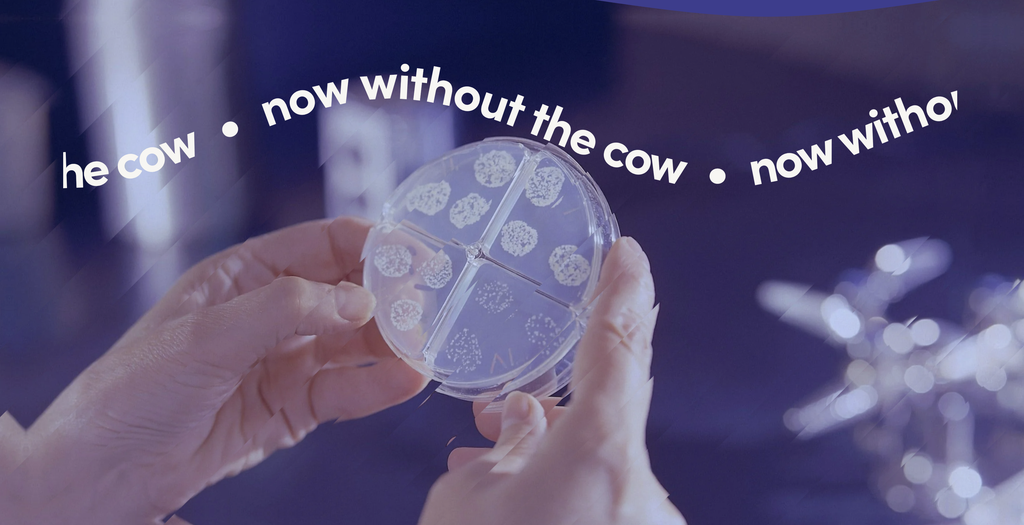
As precision fermentation technology progresses – like what Kiwi startup Daisy Lab is developing – the dairy industry will be forced to find new ways to stay relevant. Will milk that’s made through precision fermentation be allowed to be called ‘milk’? Only time will tell.
Here in Aotearoa, the dairy industry has enormous cultural, political and economic influence. Milk isn’t just another product; it’s tied to our national story, and the sector is one of our largest export earners. But that shouldn’t give one industry ownership over everyday language.
After all, we don’t ban peanut butter because it contains no butter. Nobody proposes renaming coconut cream because it doesn’t come from dairy. Language has always been messy, metaphorical and shaped by common understanding. Not strict biological definitions.
The real question isn’t whether oat milk deserves to be called milk. Consumers are already answering that by using it as a like-for-like substitute in cereal, coffee, baking and the like.
The question is whether our laws should protect consumers from confusion, or protect industries from competition.
As more New Zealanders choose plant-based foods for environmental, ethical or health reasons, this debate is likely to reach our shores with increasing intensity. When it does, we should ask ourselves whether language should evolve alongside our food system, or whether it should be frozen in time to preserve the interests of the status quo.
Words belong to the people who use them, not the industries that profit from them.