
Veganism was never meant to be a wellness trend. When an ethical movement is reduced to an aesthetic, its underlying values can be overshadowed. Thrown out for the next movement, as soon as influencers deem it dried up.
But if we rewind all the way back to the 2010s Instagram-vegan era, and coconut oil, chia seeds, and quinoa were the faces of the movement.
Attractive, affluent, fit. Suddenly, social media amplified this version of veganism, pushing it into the dominant public image of the movement. A movement rooted in compassion, and avoiding (as much as possible) causing harm to animals, became a movement centred around self-improvement seemingly overnight. It no longer appeared to be an ethical choice, but a physical one.
Before Beyond Meat arrived in Aotearoa in 2019, vegan food that felt familiar, comforting, and indulgent was relatively rare. Instead, the internet painted a much narrower picture of what it meant to be vegan. The stereotype was clear: if you were vegan, you were a clean-eating, smoothie-drinking, quinoa-loving health enthusiast. Documentaries like What the Health reinforced this image, framing animal products as inherently harmful and whole plant foods as the key to optimal health.
The problem with this narrative is that it shifted veganism’s focus. Rather than centering the movement on its ethical foundation — reducing animal suffering — it increasingly became linked with personal health and dietary purity. When a movement is built around dividing foods into “good” and “bad”, it inevitably becomes polarising. More importantly, veganism inherited an impossible expectation: it was no longer just expected to benefit animals, but to be the answer to human health as well.
Inevitably, a calorie-deficient lifestyle and a culture built on perfectionism cannot stand the test of time. So, come 2019, prominent vegans started jumping ship. People who had built a following on one movement were now saying it no longer worked for them.
Celebrities jumping off the ‘plant-based wellness trend’
Wellness influencer Bonny Rebecca quit veganism after eight years, citing health reasons for her shift back to animal products. Superstar Miley Cyrus – who went as far as writing a whole album about her love for animals and the pain it causes her to watch her friends eat her ‘friends’ – also jumped ship.
These high-profile departures from veganism created headlines, but they also created a misleading impression. Influencers can speak only to their own experiences, not to the nutritional sufficiency of veganism itself. Their personal decisions became cultural talking points because they had amassed so many followers, not because they represented the experiences of most vegans.
In many cases, what was presented online as “veganism” was closer to a restrictive plant-based diet. Veganism is an ethical philosophy that seeks to avoid animal exploitation and cruelty as far as is possible and practicable. Health can be a welcome benefit, but it has never been the movement’s primary purpose.
A calorie deficit isn’t inherently unhealthy, but prolonged or significant restriction can be. During the 2010s, the rise of “clean eating” overlapped with the growing popularity of veganism, and for some people, an emphasis on eating “clean” became increasingly restrictive. The problem wasn’t necessarily veganism itself, but the wellness culture that sometimes surrounded it.
The Internet also has an appetite for drama. A creator quietly continuing to eat plant-based rarely makes headlines, while someone announcing “Why I’m No Longer Vegan” often attracts millions of views. Fringe movements challenge the status quo, and can make people feel defensive about their core belief systems. It’s easier to ‘other’ someone for being different, than reflect on how their differences challenge our own worldviews.
Departures can feel hurtful in a personal way to vegans who have formed parasocial relationships with online creators. Especially when those same influencers have built a career and made money from the movement they’re departing. Take Gaz Oakley distancing himself from the word “vegan”, after spending years building his brand around it. Kreg from Big Box Vegan articulates it well.
His framing is worth examining. He now calls his recipes “plant forward” on his site and talks about veganism’s “rule set” no longer fitting his life, about extremists giving the movement a bad name, and suggests that if he had encountered a community living off the land rather than documentary films promoting veganism, he might never have gone vegan at all. That last part is revealing. It suggests the foundation was persuasion rather than values, and persuasion, unlike conviction, has an expiration date.
When our choices are shaped by persuasion, we’re more susceptible to abandoning them when the next hot trend comes along. That’s why conviction is such a cornerstone of long-term veganism. Values tend to endure; preferences are always in flux.
So how can we ensure vegans are joining the movement for the right reasons?
Well, we can’t.
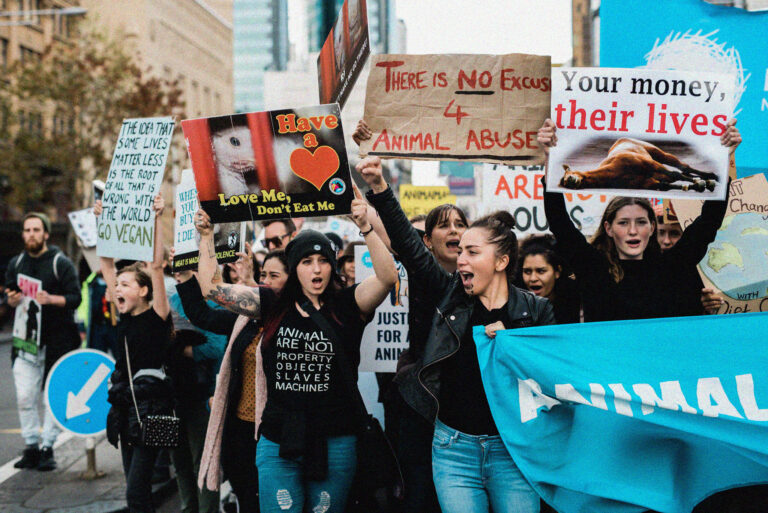
But what we can do is continue sharing the ethical foundations of the movement. Help reductionists if it means their pace will create longevity. Be patient with the people who are trying. Reject trends that reduce the movement to a temporary diet or a weight-loss fix-all. And anytime the conversation gets too far away from the animals? Bring them back as the central focus.
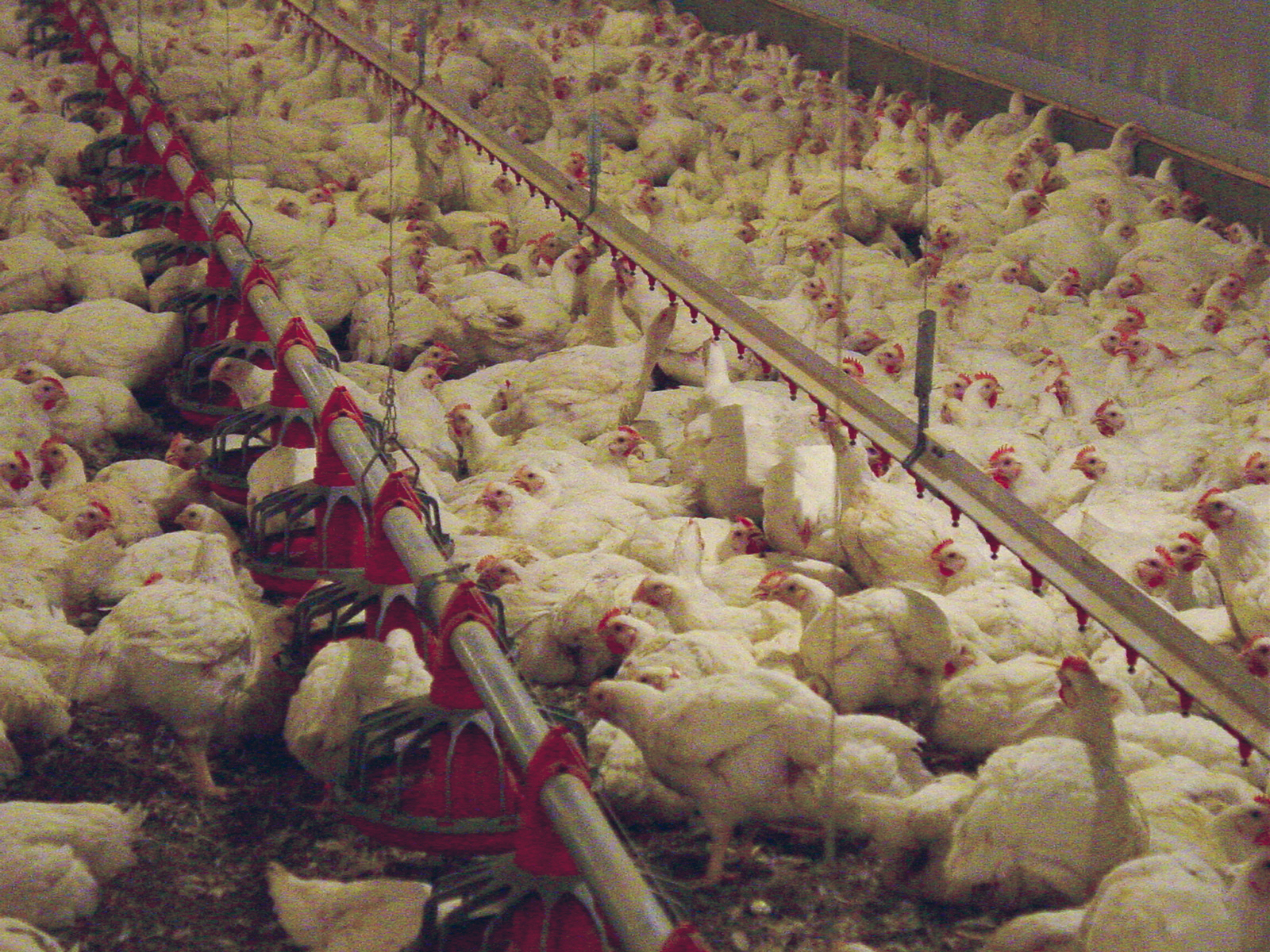
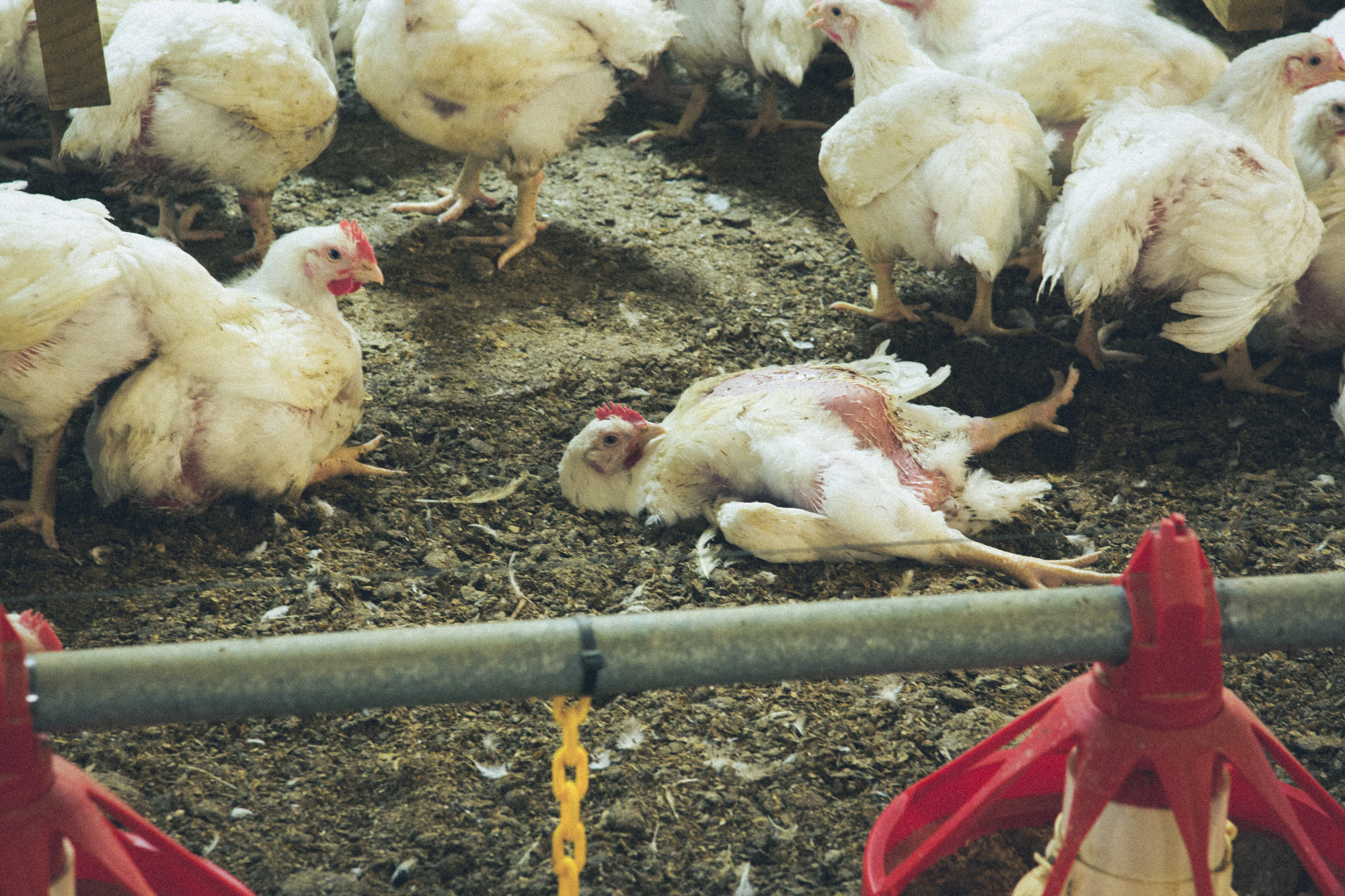
Mention animals in conversation. Talk about factory-farmed animals as individuals. Sign petitions and support vegan businesses.
And when you’re feeling hopeless as another celebrity jumps ship, remember that there are always people who want to change the world with you. We’re good at endurance.